


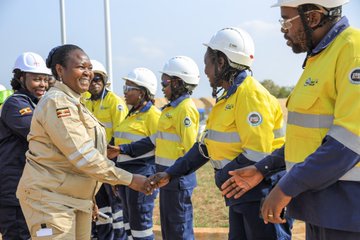
The Minister of Energy and Mineral Development, Hon. Dr Ruth Nankabirwa, has undertaken a comprehensive inspection tour of Uganda’s key oil and gas infrastructure projects, as the country intensifies preparations for the first oil expected in July 2026.
In a statement issued during the tour, Dr Nankabirwa said she visited critical project sites, including the East African Crude Oil Pipeline (EACOP), Kingfisher and Tilenga oil fields, the planned refinery, Kabalega International Airport, and the Kabale Industrial Park.
“I am currently on a tour of the East African Crude Oil Pipeline (EACOP), Kingfisher, Tilenga, Refinery, Kabalega International Airport, and Kabale Industrial Park project sites as part of ongoing preparations for Uganda’s first oil in July 2026,” Nankabirwa said.
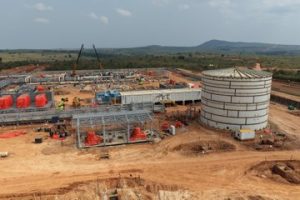
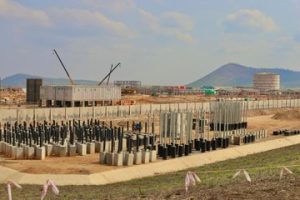
A key highlight of the visit was Pump Station One (PS1), the starting point of the EACOP pipeline. The facility collects crude oil from the Kingfisher and Tilenga Central Processing Facilities (CPF) and serves as a major power hub for upstream operations.
“PS1 collects crude oil production from Kingfisher and Tilenga CPF and serves as a power hub linking upstream shippers to EACOP and the UETCL national grid,” she explained. “It will enable export of surplus power to the national grid and import power when upstream operations are in deficit.”
Dr Nankabirwa described PS1 as a strategic asset that underscores the scale, technical sophistication, and regional importance of the EACOP project.
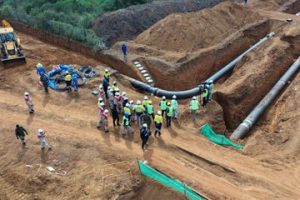
Officials from EACOP Ltd reported that overall progress on the pipeline project has reached 79 percent. During the minister’s site visit, EACOP engineers provided detailed updates on construction milestones at PS1.
“At Pump Station 1, concrete works are at 75 percent, steel erection at 71 percent, and piping and welding at 55 percent, bringing the overall site completion to about 70 percent,” EACOP said, noting that around 700 workers are currently deployed at the site.
Across the entire pipeline, construction is advancing rapidly. “Pipeline construction stands at 62 percent, with over 1,400 kilometres welded and about 500 kilometres fully buried and backfilled,” EACOP stated.
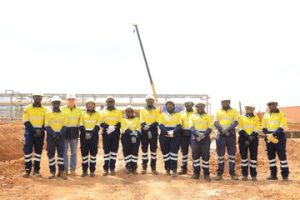
Construction activities are currently at peak levels, with approximately 3,500 workers in Uganda and a total workforce of about 12,000 personnel across Uganda and Tanzania.
“This level of activity is expected to continue through Quarter One and early Quarter Two of 2026, before transitioning into commissioning and start-up activities,” the company added.
The inspection tour, which included the Permanent Secretary at the Ministry of Energy and Mineral Development, Eng. Irene Bateebe, comes as government and project developers push to ensure all infrastructure is completed on schedule, positioning Uganda for a smooth transition into oil production and export.