


President Yoweri Kaguta Museveni has congratulated Ugandans on the Christmas festivities, describing the country as peaceful, productive, and firmly positioned for a brighter future.
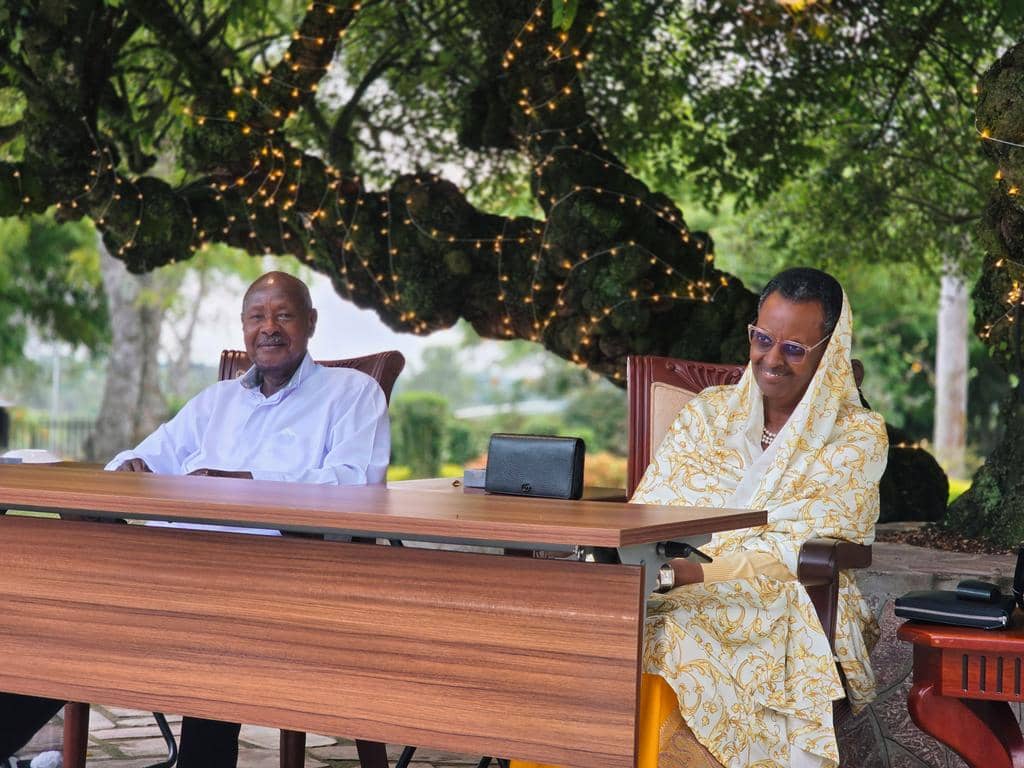
In a Christmas message issued on December 25, President Museveni extended greetings to Ugandans, particularly the Bazzukulu, as they commemorated the birth of Christ. “Maama Janet and myself congratulate all of you as you celebrate the birth of Christ more than 2,000 years ago,” he said.
The President noted that the festive season had come at a time of national stability and economic activity. “It is gratifying that Uganda is celebrating Christmas when the whole country is peaceful, and there is a lot of agricultural and industrial production. The shops are full, and the markets are full,” he said.
While acknowledging that poverty still affects about 30 percent of Ugandans outside the money economy, President Museveni emphasised that clear solutions are already in place. “The way-out for them is well laid out and the resources to support the process are available and up-scalable,” he said, citing initiatives such as Parish Development Model (PDM), Emyooga, ghetto funds, and the boda boda fund.
On corruption, the President warned that accountability depends on vigilance by citizens. “The corruption by some of the executors is only because it is not reported. Once corruption is reported, it is stamped out. Do you remember Kazinda?” he remarked.
Looking ahead, President Museveni expressed optimism and called for continental unity. “The future is bright. Let us pray for peace in the whole of Africa and more economic and political integration in Africa,” he said, noting its importance for markets, services, and strategic security.
Here is his statement:
Fellow Ugandans, especially the Bazzukulu. Greetings.
Maama Janet and I, congratulate all of you as you celebrate the birth of Christ more than 2000 years ago.
It is gratifying that Uganda is celebrating Christmas when the whole country is peaceful and there is a lot of agricultural and industrial production. The shops are full and the markets are full.
Yes, there is still poverty among the 30% still outside the money economy (Abakolera ekiddakyoonka, tic me ic keken), but the way-out for them is well laid out and the resources to support the process are available and up-scalable (PDM, Emyooga, ghetto funds, bodaboda fund, etc.).
The corruption by some of the executors is only because it is not reported. Once corruption is reported, it is stamped out. Do you remember Kazinda?
The future is bright. Let us pray for peace in the whole of Africa and more economic and political integration in Africa to continue to solve the problem of markets for our products and services and strategic security.