


Ntoroko, Western Uganda – For decades, most of the large cargo boats operating across Lake Albert at Kanara Landing Site—one of the biggest fishing and trade hubs in the Tooro and Rwenzori subregions—have been owned by traders from the Democratic Republic of Congo.
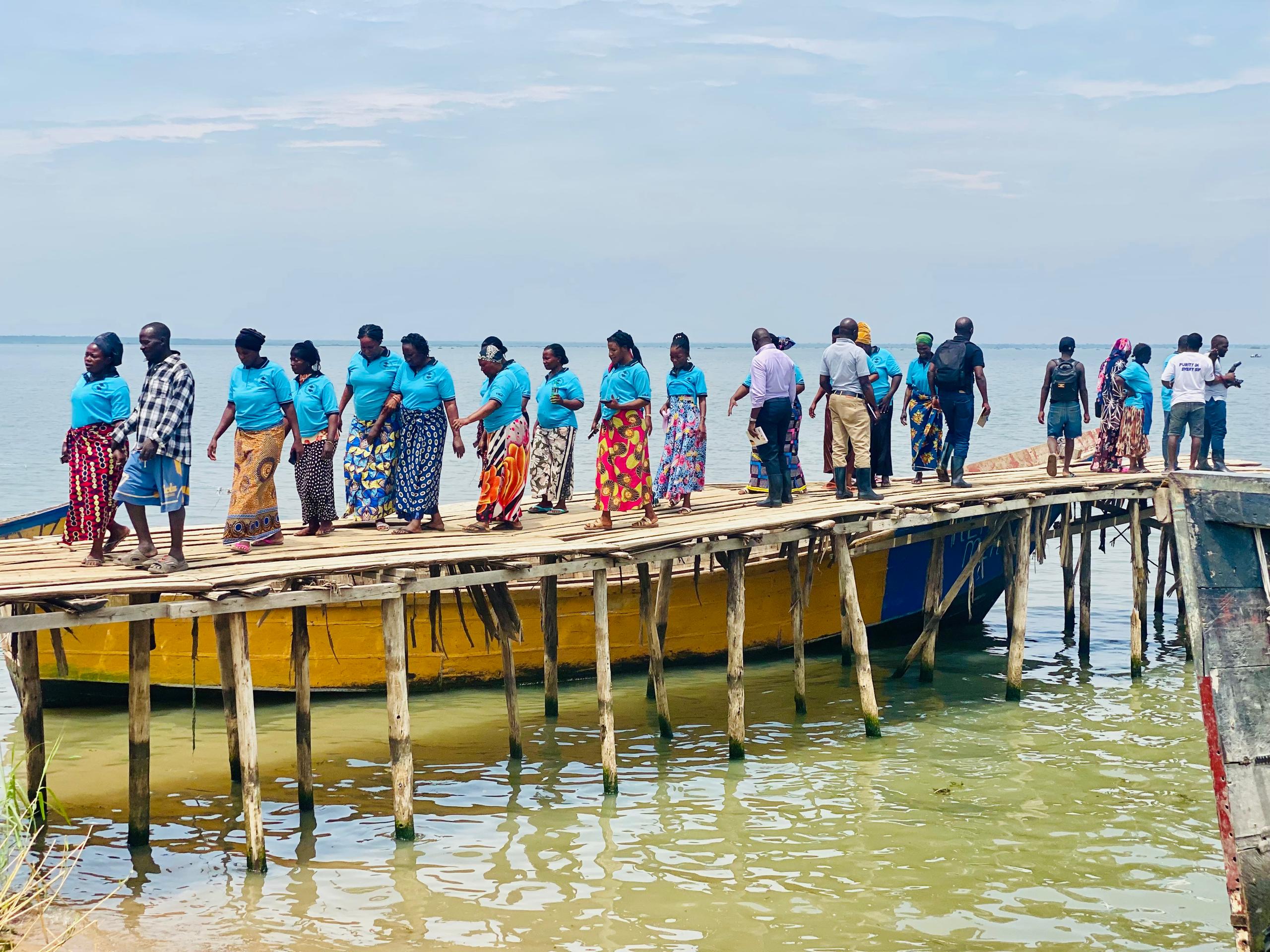
But that has begun to change after a local savings group, with support from the Microfinance Support Centre (MSC), acquired what leaders say is the first large cargo boat owned by Ugandans at the landing site.
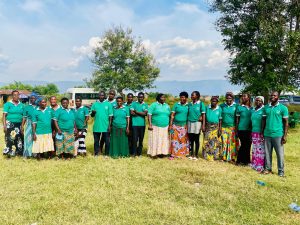
The vessel belongs to Kanara Tuendelee Village Savings and Loans Association (VSLA), a community-based financial group in Ntoroko District that has been operating since 2018 with 48 members.
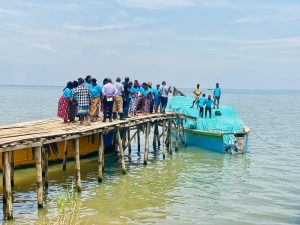
Matia Kisembo, the chairperson of the group, said the project was made possible through financing from MSC under the Local Economic Growth Support (LEGS) Project. “Most of the big boats here belong to Congolese traders. Ours is the first big cargo boat owned by Ugandans at this landing site,” Kisembo said.
The group received Shs72 million from the Microfinance Support Centre to construct the boat. Instead of giving the money directly to the group, MSC paid the boat builders after the members proposed the project.
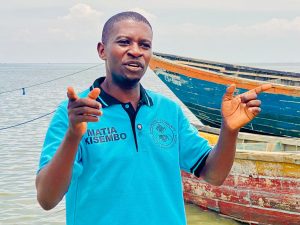
“MSC paid the boat builders directly, and we added Shs20 million from our savings to get a bigger and modern boat,” Kisembo said.
The total investment reached Shs102 million, including fishing equipment and a powerful engine. Of the MSC financing, 40 percent (Shs 28.8 million) was provided as a government grant, while the remaining 60 percent (about Shs 44 million) was a facility with a fixed markup rate of 8 percent per year.
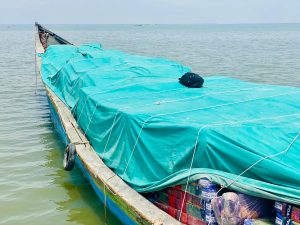
“Part of the money was given as a grant, and the loan has a very low markup rate, which has helped us grow,” Kisembo added.
The 60-tonne cargo boat, which started operations on June 10, 2025, now transports agricultural produce, fish, and merchandise between Uganda and the Democratic Republic of Congo. The vessel operates along a trade route from Ntoroko Customs and Bugoma through Mulango and Kamuga to Kasenyi and Tchomia in eastern Congo.
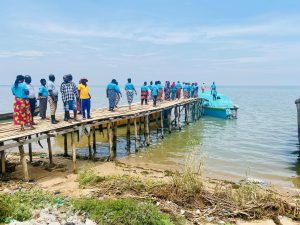
Each trip generates about Shs6 million, with Shs4.97 million going toward loan repayment while the remaining balance is lent to group members to expand their businesses.
Before acquiring the vessel, the group relied on small income-generating activities such as renting tents, plastic chairs, and small boat engines. The new cargo boat has significantly expanded their economic activities while also creating employment for fishermen, traders, and transport workers around the landing site.
“This boat has changed our lives,” Kisembo said. “It shows that with support, local communities can also own big businesses.”
Government-backed financing
The project is part of the Local Economic Growth Support (LEGS) Project, a national initiative implemented by MSC in partnership with the Ministry of Local Government and the Islamic Development Bank to increase rural incomes and support community enterprises.
Williams Okweda, Regional Manager of MSC for Western Uganda, said the project is designed to ensure that even hard-to-reach communities gain access to affordable financing. “Kanara is a hard-to-reach area with no financial institutions. Government stepped in so that no community is left behind,” Okweda said.
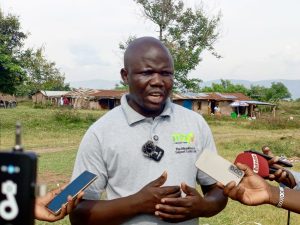
The LEGS project operates in 17 districts across the country, with four districts in the Kabarole zone under MSC’s western region operations.
According to Okweda, MSC has already disbursed over Shs8.12 billion in the zone to support 134 community projects, reaching more than 25,000 beneficiaries. “Community livelihoods have improved, incomes have increased, and families are able to educate their children and access better healthcare,” he said.
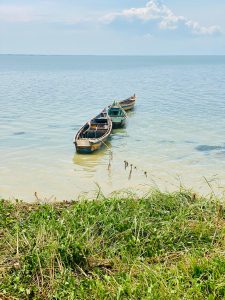
MSC provides affordable credit, grants, and asset financing to organised groups rather than individuals. The institution also promotes Islamic finance principles, which emphasise ethical financing and profit-sharing rather than traditional interest-based lending.
Women benefiting from the project
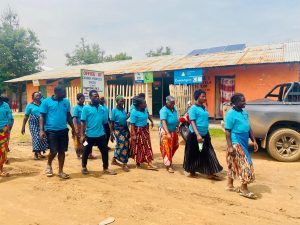
Members of the Kanara Tuendelee VSLA say the project has had a particularly strong impact on women.
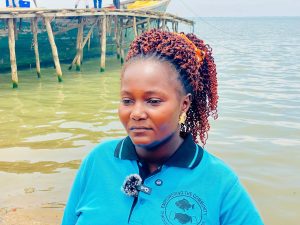
Sifa Kawambe, the group’s vice chairperson, said the financing enabled members to invest in fishing-related businesses. “Before this support, I had no business. Now I own several water engines and boats through the opportunities created by the group,” Kawambe said.
She added that the boat project has created jobs and enabled families to pay school fees and improve their household welfare.
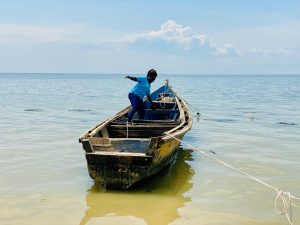
Other groups in the area have also benefited from MSC support. Ayubu Magezi of Businge VSLA, operating under Kanara People’s SACCO, said his group received fishing nets, engines, and a small boat to support their activities.
“The equipment improved our fishing and created jobs for many young people,” Magezi said, encouraging more youth to join savings groups.

Women leaders say the financing has helped improve household welfare across the community.
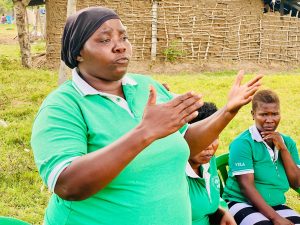
Peace Kabahinda, chairperson of the Kanara Tukwatanize Women Group, said women are now able to meet basic family needs. “Women can now pay school fees and look after their homes,” she said.
However, Kabahinda called for increased support and improved security on Lake Albert, citing cases where pirates from the Congolese side occasionally hijack boats and steal fuel or fish.
Growing small businesses
Beyond fishing, access to loans through savings groups has enabled many residents to expand small businesses.
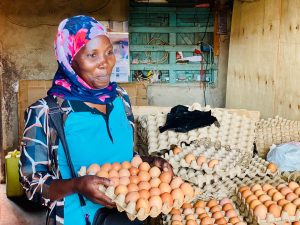
Nakagwe Aisha, an egg trader in the area, said her business has grown significantly since joining a savings group. She started selling 100 trays of eggs but now handles about 1,000 trays, enabling her to pay school fees and meet household needs.
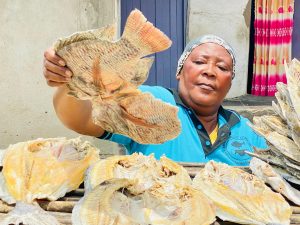
Similarly, Masika Rebecca, a fish trader, said her savings group has helped stabilise her business and family finances.
“We started saving small amounts, but now we save up to Shs50,000 per meeting. Through the loans, I buy fish worth about Shs3 million and sell them for a profit that supports my children’s education,” she said.
Telling the success stories
Tadeo Atuhura, Communications Manager at MSC, said the institution is documenting such success stories to demonstrate how affordable financing can transform rural economies.
“These initiatives create jobs, increase household incomes, and help communities establish sustainable enterprises,” Atuhura said.
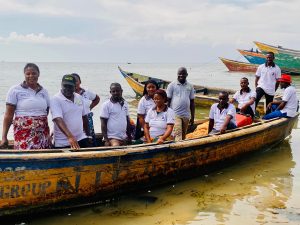
He said the impact stories also demonstrate how SACCOs and Groups, affordable Finance, and Capacity Building are empowering the local communities for social and economic transformation.
The MSC team has been touring several districts in western Uganda to highlight projects supported under the LEGS program, including farming cooperatives that have acquired tractors and farmer groups that have received transport trucks for agricultural produce.