


KAMPALA — Malaria prevalence in Uganda has increased from 10 percent in 2018–2019 to 13 percent in 2024–2025, highlighting the need for stronger prevention and control efforts, according to the latest Uganda Malaria Indicator Survey released by the Uganda Bureau of Statistics (UBOS).
The findings were unveiled on Thursday during the launch of the Uganda Malaria Indicator Survey 2025 at Statistics House, where health officials and development partners called for renewed commitment to tackling the disease.
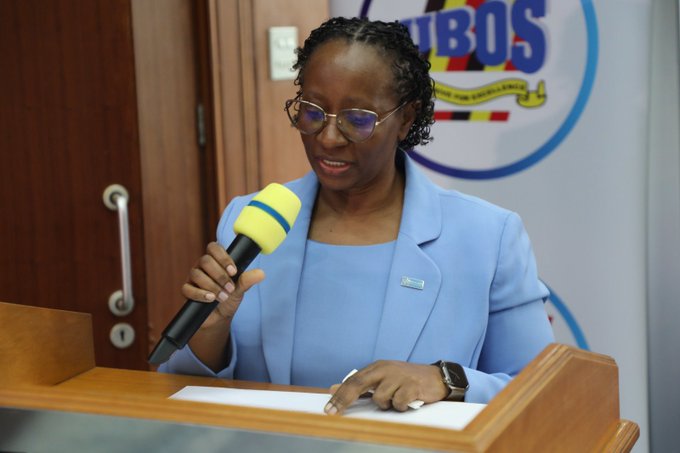
Speaking at the event, Dr Kasonde Mwinga, the country representative and head of mission for the World Health Organisation in Uganda, said although progress has been made in malaria prevention, the rising prevalence indicates that more work is required.
“While progress has been made in interventions such as the use of insecticide-treated nets, malaria prevalence has risen from 10 percent in 2018–2019 to 13 percent in 2024–2025, showing that further efforts are needed,” Dr Mwinga said.
She noted that the United States government continues to support Uganda’s malaria control programmes by providing key prevention and treatment commodities.
According to Dr Mwinga, the support includes 2.6 million insecticide-treated mosquito nets, 4.5 million rapid diagnostic tests, 2.2 million treatment doses for uncomplicated malaria, and 200,000 doses for severe malaria cases.
The United States is also funding an indoor residual spraying campaign in seven districts in Eastern Uganda, targeting nearly 822,000 households and protecting about 2.9 million people from malaria.
Dr Mwinga said the survey launch coincides with the signing of a five-year health cooperation Memorandum of Understanding between Uganda and the United States worth nearly $2.3 billion (about Shs18 trillion).
“The memorandum underscores a shared commitment to lifesaving services, resilient health systems and responsible use of resources,” she said, adding that the agreement will strengthen collaboration aimed at improving health outcomes.
Mosquito net use remains high
The survey also highlights strong uptake of mosquito nets across the country.
According to UBOS, 84 percent of pregnant women slept under an insecticide-treated mosquito net on the night before the survey, while 76 percent of all household members reported using a mosquito net.
Among children under five years, 78 percent slept under mosquito nets, reflecting progress in protecting vulnerable groups.
The report further shows that 84 percent of households in Uganda own at least one insecticide-treated net, with ownership higher in rural areas than in urban centres.
Regional data indicates that net ownership is highest in Teso (95 percent) and Lango (92 percent), while Kampala has the lowest coverage at 69 percent.
Nearly 90 percent of respondents said they obtained mosquito nets through mass distribution campaigns, while others accessed them through antenatal clinics, community health workers, government health facilities, schools and retail shops.
Young population and household trends
The survey also provides insights into demographic patterns related to malaria risk.
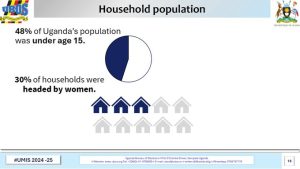
It found that 48 percent of Uganda’s population is under the age of 15, a factor that increases vulnerability to malaria infection.
In addition, 30 percent of households in Uganda are headed by women, according to the report.
Health experts say the findings will help guide targeted malaria interventions, strengthen prevention strategies and inform policies aimed at reducing the country’s malaria burden.
Dr Mwinga said the survey findings will play a key role in shaping future programmes. “The survey’s findings will guide evidence-based interventions and strengthen collaboration aimed at achieving a malaria-free future and improved public health outcomes,” she said.