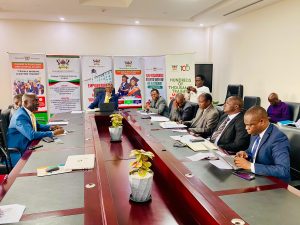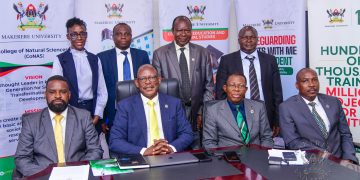



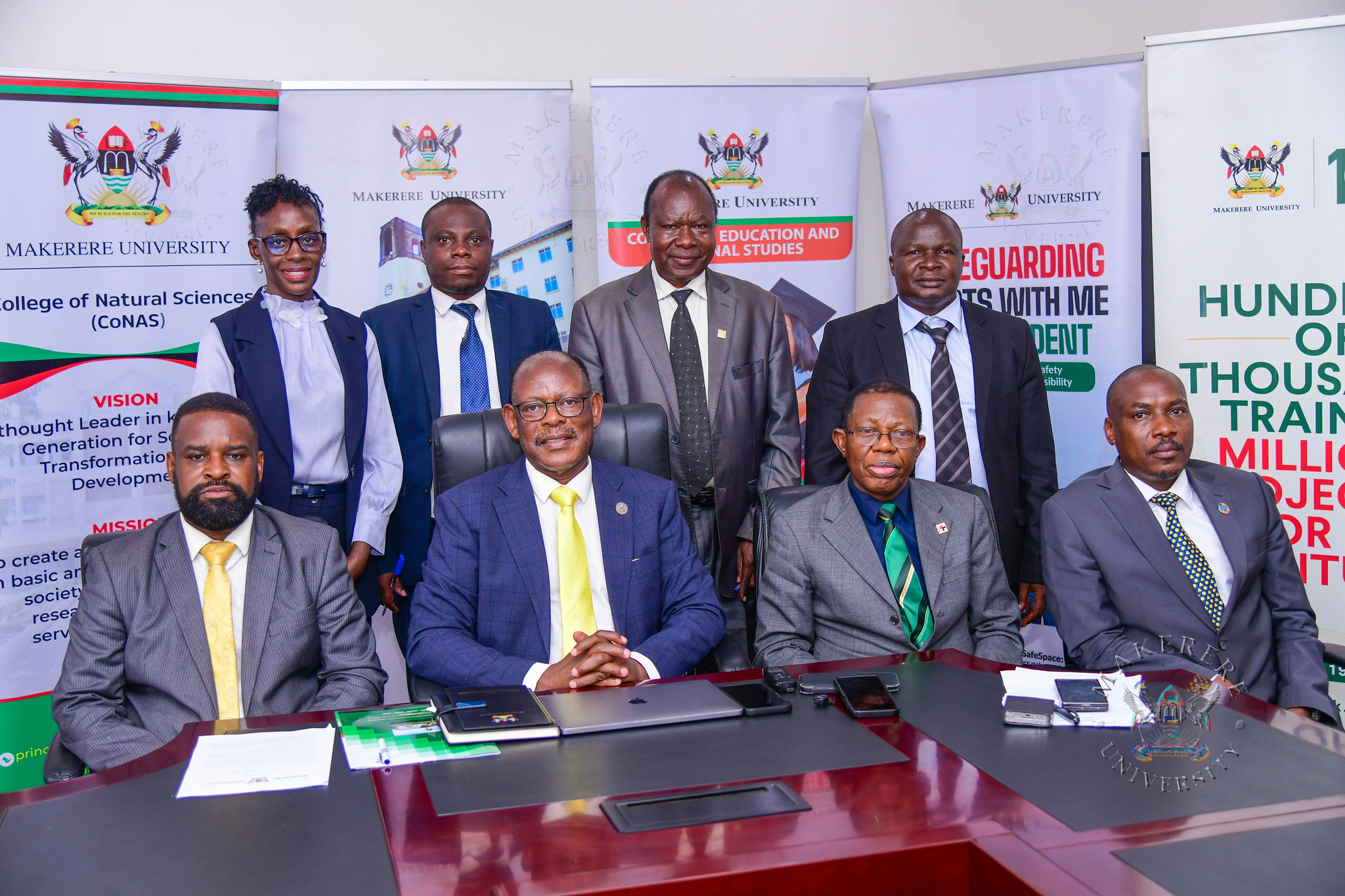
Kampala – Makerere University has assured the public that it is fully prepared to receive students who have completed Uganda’s new competency-based curriculum in high schools.
The announcement comes as the University continues to address longstanding concerns over poor performance in Biology at the Uganda Advanced Certificate of Education (UACE).
Professor Frederick Muyodi, Principal Investigator of the Biology Performance Project at Makerere University, said the study was launched in response to public outcry over declining Biology results.
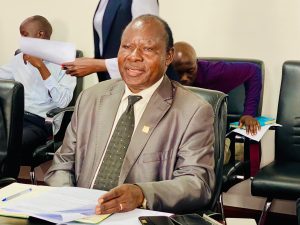
“We have received numerous complaints regarding the performance of Biology in national examinations. Our study, Examining the Factors Accounting for Poor Academic Performance in Biology, was designed to identify the root causes affecting student outcomes,” he said on Tuesday, March 17, 2026, during a press briefing at the main building.
The research, conducted in partnership with the College of Education and External Studies and supervised by the Deputy Vice Chancellor for Academic Affairs, analysed over 50 years of data, covering 100 districts and engaging more than 5,000 stakeholders, including students, teachers, lab technicians, school administrators, and national education bodies.
Key findings highlighted several challenges: Biology teaching remains largely theoretical, with limited practical and field-based learning, many schools lack adequate laboratory facilities and teaching materials; digital access remains limited, particularly in rural areas; student engagement with real-life applications of Biology is low, and coordination gaps exist between curriculum design and assessment frameworks.
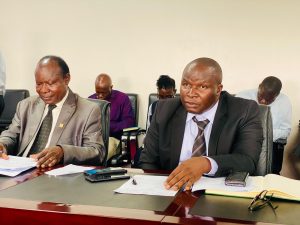
Prof. Muyodi emphasised the need for sustainable interventions: “While we have observed some improvement in recent results, ongoing support for teachers, investment in laboratories, and practical learning opportunities are essential to ensure sustained progress.”
Dr Godfrey Kawooya Kubiriza, Head of the Department of Zoology, Entomology, and Fisheries Sciences at the College of Natural Sciences, noted regional disparities in performance:
“The Northern and Eastern regions, particularly Karamoja, face the most challenges. Teachers have highlighted limited resources for practical lessons, irregular student attendance, and the need for training in innovative teaching methods,” he said.
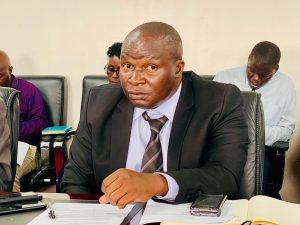
Dr Kawooya highlighted a recent College of Natural Sciences (CoNAS) exhibition, where a “Teachers’ Corner” was created to train educators on practical teaching and innovative approaches. “We plan to organise formal training sessions to equip teachers with the skills to conduct practical lessons even in resource-limited settings,” he said.
Dr Edward Kansiime, Lecturer of Biology at the College of Education and External Studies, emphasised the broader impact of the project:
“Over 5,000 stakeholders across 100 districts were engaged, from national authorities to families. Through this collaboration, we have supported teacher skilling, career guidance, and improvisation in teaching methods. Lessons from Biology will now be applied to other STEM subjects such as Physics, Chemistry, and Mathematics,” he said.
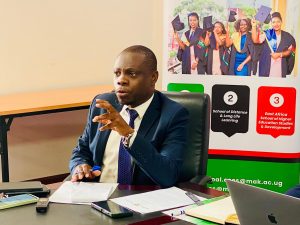
Professor Winston Tumps Ireeta, Principal of the College of Natural Sciences and Acting Deputy Vice Chancellor for Finance and Administration (DVCFA), reaffirmed Makerere’s readiness for incoming students:
“Our curriculum has been competency-based and problem-focused for several years. Students coming from the new curriculum will integrate smoothly and develop the skills needed to become competent scientists who contribute to national development,” he said.
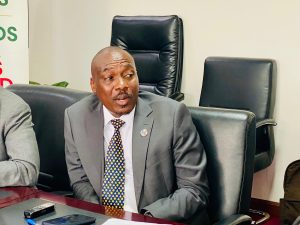
The findings of the study will be formally presented at a workshop on Thursday, 19th March 2026, aimed at disseminating recommendations for improving Biology performance nationwide.
Makerere University continues to align these initiatives with its Strategic Plan (2025/26–2029/30), focusing on research-led, versatile graduates who can drive Uganda’s socio-economic transformation.