



The Civil Society Budget Advocacy Group (CSBAG) has commended Uganda’s economic resilience in 2025 while urging greater fiscal discipline and accountability as the country approaches a defining election year and the onset of oil production.
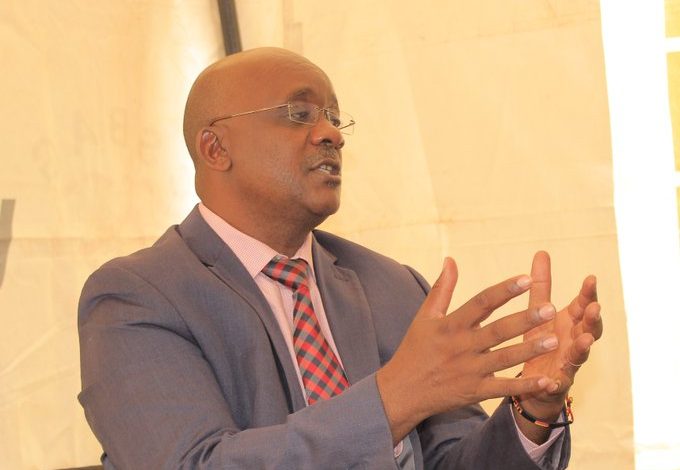
Speaking at the CSBAG End-of-Year Statement 2025 held at the organisation’s headquarters in Kampala, Julius Mukunda, Executive Director of CSBAG, struck a tone of cautious optimism under the theme “Navigating the Perfect Storm: Balancing Growth, Debt, and the 2026 Electoral Frontier.”
“Truth always counts,” Mukunda said, underscoring CSBAG’s commitment to evidence-based advocacy. “The real question is no longer whether Uganda can grow, but whether that growth is improving the lives of ordinary citizens.”
Resilient Growth
CSBAG noted that Uganda’s economy remained robust in 2025, posting an estimated 6.3 percent GDP growth, supported by agriculture, manufacturing, construction, and household consumption. Per capita income rose to USD 1,263, while inflation remained within a stable 3.5–3.9 percent, well below the Bank of Uganda’s target.
“Holding inflation below five percent in a turbulent global economy is not accidental—it reflects disciplined monetary policy and resilience in domestic supply,” Mukunda observed.
The organisation also welcomed progress in the oil and gas sector, with over 100 wells drilled in the Tilenga and Kingfisher projects, and continued works on the East African Crude Oil Pipeline (EACOP), positioning Uganda for first oil in 2026.
Reforms in Public Finance Management
CSBAG praised government efforts to strengthen Public Financial Management, particularly the launch of the PFM Reforms Strategy 2025–2030, themed “PFM for Growth and Improved Service Delivery.”
“We commend the government for confronting long-standing ‘budget games’ and issuing clear directives to ensure ministries plan for their core mandates,” Mukunda said. “These reforms are critical if public resources are to deliver real value.”
However, CSBAG cautioned that rising public debt—now estimated at UGX 116.2 trillion—and high debt service costs require restraint and efficiency, especially in an election cycle.
“For every ten thousand shillings collected, more than three thousand now goes to interest payments,” Mukunda noted. “That reality demands discipline, not populism.”
Human Capital and Social Progress
On the social front, CSBAG welcomed incremental gains in human development, including a reduction in poverty to about 20 percent and increased budget allocations to education and health.
“These gains show that progress is possible when priorities are aligned,” Mukunda said, while stressing that youth unemployment and regional inequalities must be addressed with urgency.
A Call for Peace, Accountability, and Wise Choices
Looking ahead to 2026, CSBAG urged political actors and citizens alike to safeguard peace, fiscal stability, and democratic values.
“Elections should strengthen our democracy, not weaken our economy,” Mukunda said. “Uganda’s challenge is not a lack of plans or ambition—it is execution, accountability, and respect for the public interest.”
CSBAG reaffirmed its commitment to working with Parliament, government, and citizens to ensure that “every shilling counts,” calling on Ugandans to engage peacefully and vote based on issues that affect livelihoods, services, and jobs. “With discipline and integrity, Uganda can turn today’s risks into tomorrow’s opportunities,” Mukunda concluded.