


Kampala — The cost of construction in Uganda remained largely stable in December 2025, with prices of building materials and construction services increasing only slightly, according to the Uganda Bureau of Statistics (UBOS).
UBOS said construction sector inflation stood at 0.2 percent in the year ending December 2025, down from 0.3 percent in November 2025. This means that, overall, construction costs rose very slowly.
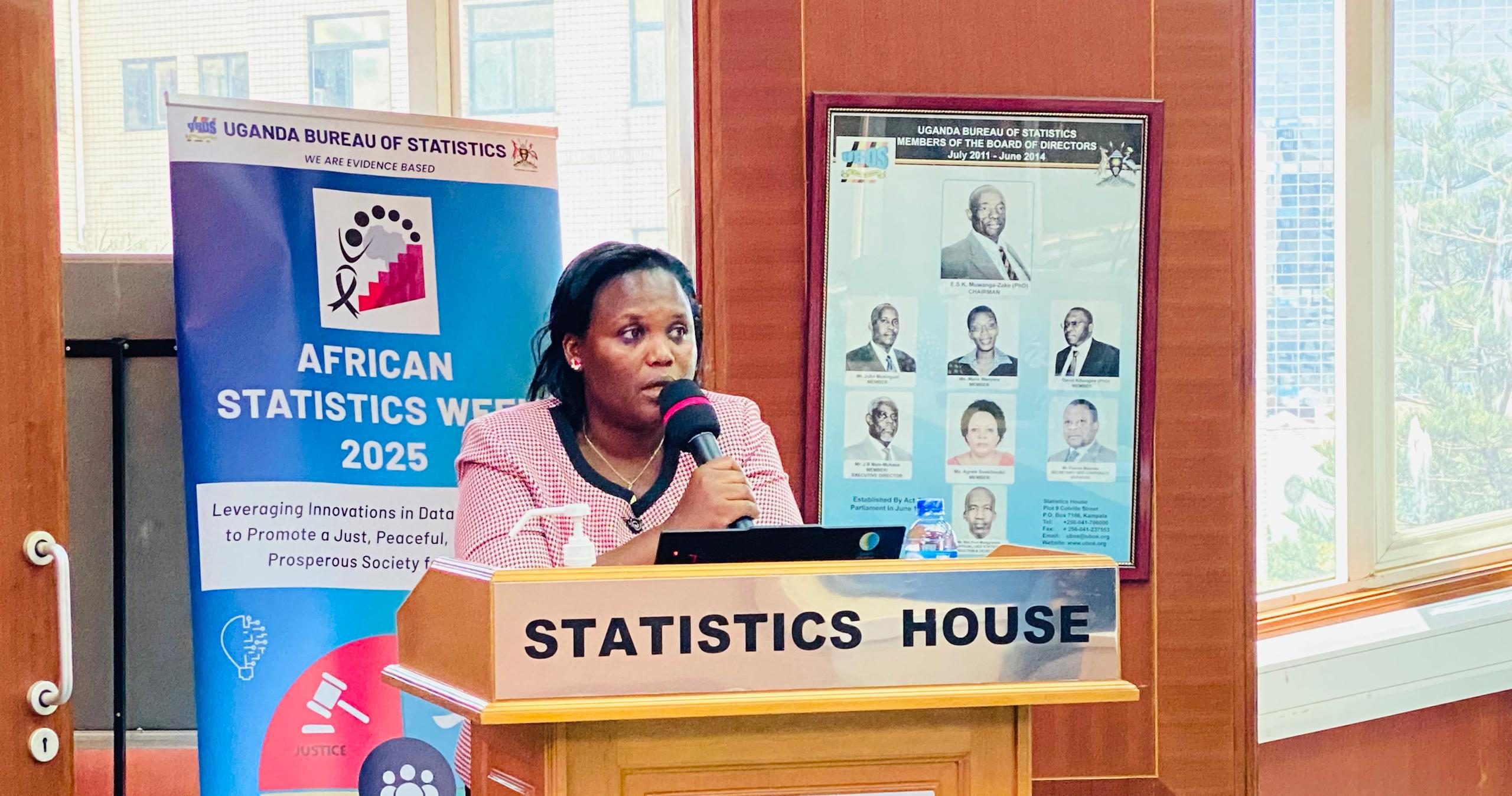
The findings were presented to the press by Irene N. Musiitwa, a Senior Statistician for Construction Input Price Indices (CIPI) at UBOS, on Friday, January 30, 2026, at Statistics House in Kampala.
UBOS explained that the slight slowdown in inflation was mainly due to reduced price increases in specialised construction activities, such as demolition, site preparation, electrical works, plumbing, and finishing works.
In particular, prices for demolition and site preparation rose by 0.8 percent, down from 1.7 percent in November, showing a clear slowdown. Prices for electrical and plumbing works remained unchanged, while building finishing works increased slightly by 0.1 percent.
The report also showed that costs related to road and railway construction remained stable, with inflation holding at 0.6 percent, while prices for utility projects such as water works continued to fall, recording minus 0.5 percent inflation.
For building construction, inflation remained low at 0.2 percent. Residential building costs rose slightly compared to November, while non-residential building costs remained unchanged.
On a month-to-month basis, UBOS said construction prices did not change at all in December, with monthly inflation staying at 0.0 percent, the same as in November. This indicates that contractors and developers did not face new price pressure during the month.
Some building materials became cheaper in December. Cement prices fell by 0.4 percent, while prices of nails, bolts, screws, and roofing sheets also declined. However, prices of diesel, paint, and stone aggregates increased slightly.
UBOS noted that the stable construction costs could help developers, contractors, and homeowners plan better, as there were no sharp price increases during the period.
Overall, the report shows that construction costs in Uganda remain steady, offering some relief to builders and investors despite rising prices in other parts of the economy.