



The Bank of Uganda has revised its economic growth forecast for the 2026/27 financial year downwards to between 5.5 and 6 per cent, from an earlier projection of 6 to 6.5 per cent, citing tighter financial conditions, a weaker shilling and rising international energy prices.
Despite the lower growth outlook, the Bank has maintained its Central Bank Rate (CBR) at 12 per cent, allowing more time for the effects of the October interest rate increase to work through the economy.
In its November 2026 Monetary Policy Statement, the Bank said economic growth had slowed, with early indicators showing that activity moderated to about 5.3 per cent in the quarter to September, compared with 6.8 per cent recorded by the Uganda Bureau of Statistics for the quarter ending June.
The Bank attributed the moderation partly to a deteriorating global economic environment and the delayed effects of drought experienced in the first half of 2026.
It also pointed to the depreciation of the Uganda shilling, tighter domestic and international financial conditions, elevated global energy prices and geopolitical uncertainty as factors weighing on economic activity.
However, the medium-term outlook remains positive, with the Bank projecting that Uganda’s economy could grow by an average of about 8 per cent annually over the next five years.
The expected improvement is based on increased private investment, stronger export performance, anticipated developments in the oil sector and continued implementation of the Government’s Tenfold Growth Strategy.
The Bank said the November 9 meeting of its Monetary Policy Committee (MPC) had considered the revised growth and inflation outlook before deciding to maintain the CBR at 12 per cent.
The rate was increased from 9.75 per cent to 12 per cent in October. The Bank said keeping it unchanged would allow sufficient time for the effects of previous policy measures to influence borrowing, spending and prices.
“The MPC therefore considered it appropriate to maintain the CBR at 12.0 percent. This decision allows sufficient time for the effects of previous policy measures to work through the economy,” the statement said.
The decision comes as inflation rises, with annual headline inflation increasing to 5.8 per cent in October from 4.6 per cent in September. Core inflation also rose from 3.7 per cent to 4.4 per cent over the same period.
The Bank attributed the increase to higher global oil prices linked to the conflict in the Middle East, depreciation of the shilling and unfavourable weather conditions.
Over the next 12 months, the Bank expects core inflation to average between 6 and 6.5 per cent, while headline inflation is projected at 7.5 to 8 per cent.
The MPC also widened the band around the CBR from plus or minus two percentage points to plus or minus three percentage points. With the benchmark rate at 12 per cent, the new corridor ranges from 9 to 15 per cent.
The margins above the CBR for the rediscount rate and Bank Rate were also increased to four and five percentage points respectively, raising the rates to 16 per cent and 17 per cent.
The Bank said these adjustments were intended to support tighter shilling liquidity conditions and encourage commercial banks to manage their short-term liquidity more actively.
For borrowers, the CBR decision means interest rates are likely to remain relatively high as commercial banks continue adjusting to the October increase. Some savers may benefit from improved returns on deposit products, although the rates offered will vary between banks.
The Bank said future monetary policy decisions would be guided by incoming economic data, the inflation outlook, exchange rate developments and the impact of previous policy measures.
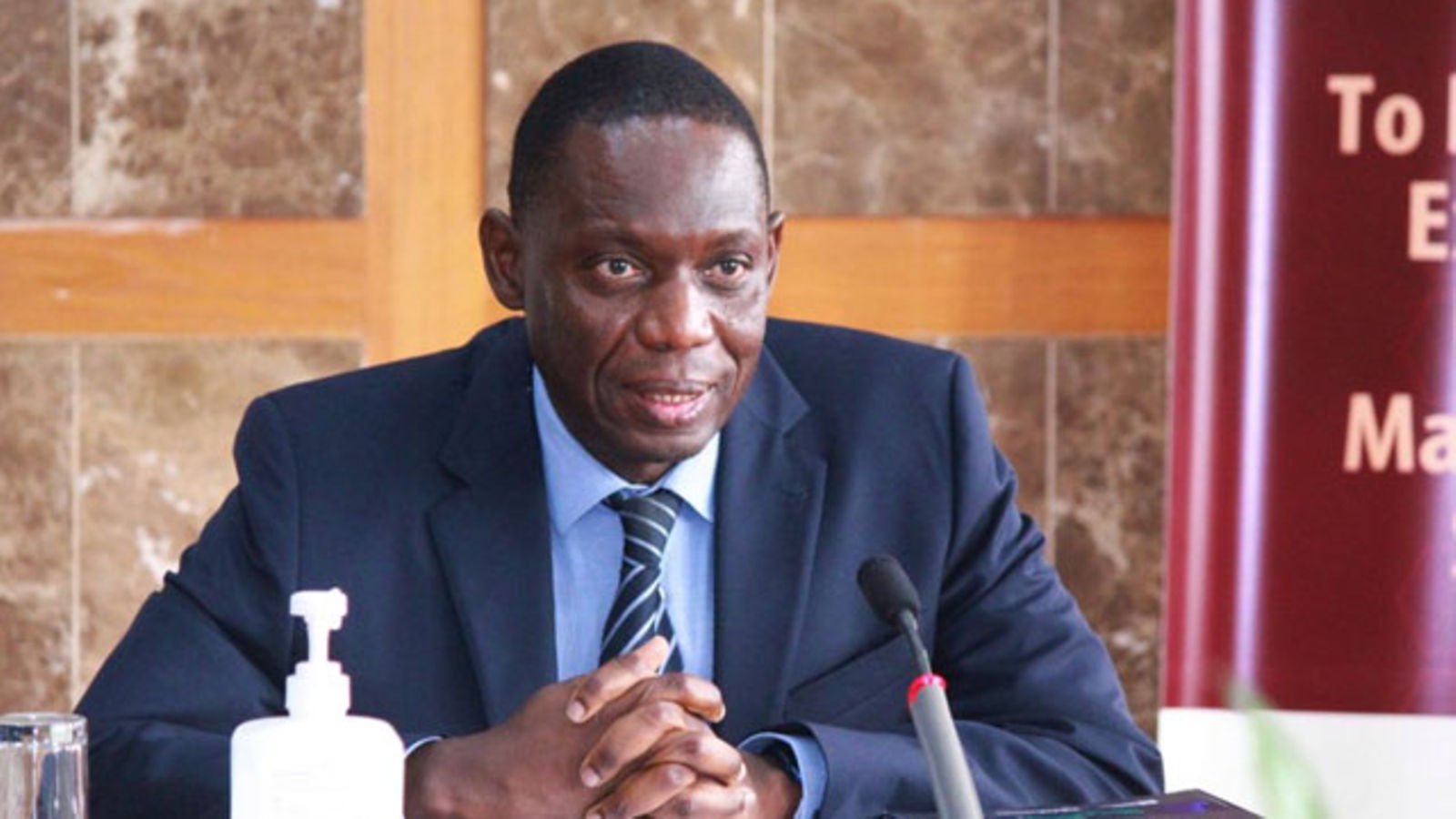
Governor Michael Atingi-Ego said the Bank remained committed to maintaining price stability in support of sustainable socio-economic transformation.