



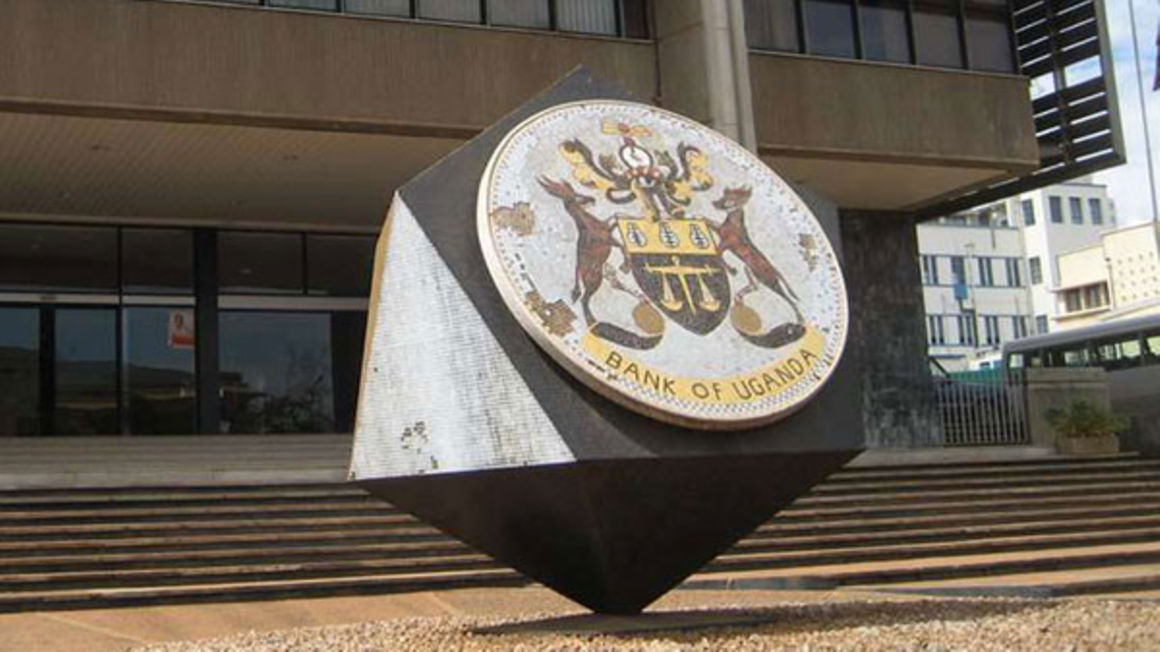
The Bank of Uganda (BoU) has decided to keep its main lending rate, known as the Central Bank Rate (CBR), at 9.75%.
The decision was made on February 9, 2026, by the Bank of Uganda’s Monetary Policy Committee (MPC), which meets regularly to decide how to manage inflation and support the economy.
What does this mean?
The Central Bank Rate is the interest rate that guides how much commercial banks charge people when giving loans.
So when the CBR remains the same, it means: loan interest rates may not rise quickly, borrowing conditions remain stable, and businesses and individuals can plan better.
Inflation is still low
Bank of Uganda said inflation is still below the target of 5%, which is a good sign.
For the year ending January 2026, headline inflation averaged 3.5% while core inflation averaged 3.8%.
In January 2026, headline inflation slightly increased to 3.2% (from 3.1% in December) while core inflation increased to 3.3% (from 3.1%).
BoU explained that the rise was mainly caused by higher prices in some services, including air transport.
Food prices improved
BoU reported that food crop inflation reduced to 3.0% in January 2026 from 4.4% in December 2025.
This improvement was linked to good weather, which supported better agricultural production.
Fuel and energy costs rose slightly
Inflation for energy, fuel and utilities increased slightly to 1.7%, from 1.4%, mainly due to small increases in the price of firewood.
Inflation expected to remain stable
The Bank of Uganda expects inflation to remain between 3.8% and 4.3% in 2026.
This means inflation will likely stay below 5% for most of the year before later stabilising around the target.
BoU says this is because the exchange rate is stable, global oil and food prices are reducing, and monetary policy remains careful.
What could make prices rise again?
BoU warned that inflation could rise if: government spending increases too much, the Uganda shilling weakens, global conflicts disrupt supply chains, and bad weather affects farming and raises food prices.
Uganda’s economy is still growing
BoU said the economy has continued to grow strongly.
In the first three quarters of 2025, Uganda’s economy grew by an average of 6.3%.
The growth was mainly driven by household spending and government spending.
BoU expects economic growth in the 2025/26 financial year to be between 6.5% and 7.0%.
In the coming years, Uganda’s growth could rise to about 8%, supported by government investment, oil projects, infrastructure development and private sector activity.
Bank of Uganda says it will remain cautious
Even with the positive outlook, BoU said there is still uncertainty in the global economy.
Because of that, the central bank decided to keep the CBR at 9.75%, saying the current policy helps control inflation and support economic activity.
The Governor of the Bank of Uganda, Michael Atingi-Ego, said future decisions will depend on economic data and global developments. “Future policy decisions will remain data-dependent,” the statement said.