



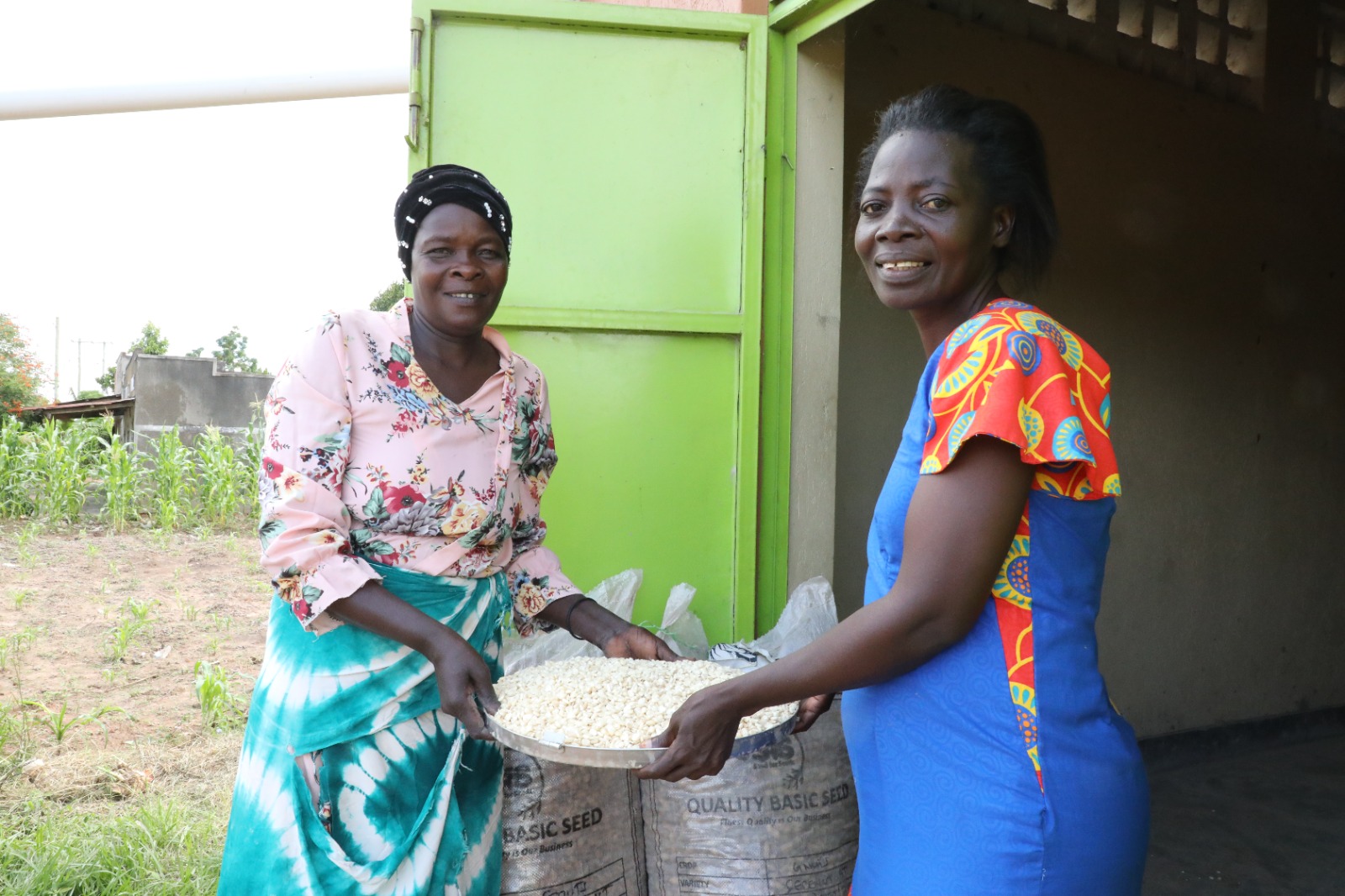
The latest AGRA Food Security Monitor highlights Uganda’s growing importance in regional staple food markets and underscores the need to strengthen the competitiveness of maize, beans, and rice value chains to improve food security and support regional trade.
The monthly Food Security Monitor provides policymakers, development partners, and private sector actors with timely insights into food security trends, commodity price movements, and regional trade dynamics across Africa. The report supports evidence-based decision-making aimed at strengthening agricultural markets and building more resilient food systems.
According to the February 2026 edition of the report, staple food markets in Eastern Africa are experiencing mixed price movements driven by seasonal supply dynamics, regional demand, and cross-border trade flows. In Uganda, maize prices rose from USD 390 to USD 412 per metric tonne between January and February, reflecting sustained regional demand for Ugandan grain.
Uganda remains one of the region’s leading producers and exporters of maize and beans, supplying key markets across the East African Community and neighbouring countries, including South Sudan, Rwanda, Kenya, and the Democratic Republic of Congo. As regional demand for staple foods continues to grow, strengthening production systems and improving the efficiency of staple food markets will be critical to ensuring stable supplies and competitive trade.
“Timely market intelligence is essential for strengthening food systems and enabling farmers, traders, and policymakers to respond effectively to market opportunities,” said Mr David Wozemba, the Country Director, AGRA Uganda. “The Food Security Monitor provides critical insights that support strategic investments in staple food value chains and help improve regional food trade.”
The report also highlights the broader pressures facing food systems across Africa, including climate variability, rising production costs, and disruptions in global input markets. In particular, global fertiliser supply chains have experienced volatility due to geopolitical tensions affecting energy and fertiliser exports, contributing to increased production costs for farmers across the continent.
Strengthening resilient production systems and improving post-harvest management will therefore be essential to sustaining the competitiveness of staple food markets in the region.
AGRA is working with the Government of Uganda and private sector partners to strengthen staple food value chains through interventions that promote improved seed systems, better post-harvest handling, grain aggregation and storage, and improved market linkages.
These efforts support Uganda’s national development priorities under the National Development Plan IV, which identifies agriculture as a key driver of economic transformation, food security, and regional trade.
As East Africa continues to experience strong demand for staple foods, improved coordination between producers, traders, and policymakers will play an important role in stabilising markets and ensuring reliable food supplies across the region.
The AGRA Food Security Monitor will continue to provide critical data and analysis to guide policy actions and investments aimed at strengthening Africa’s food systems and improving food trade competitiveness.