

The Uganda Bureau of Statistics (UBOS) has called for increased investment in water and sanitation services, warning that contaminated drinking water continues to expose millions of Ugandans to waterborne diseases, particularly in rural communities.
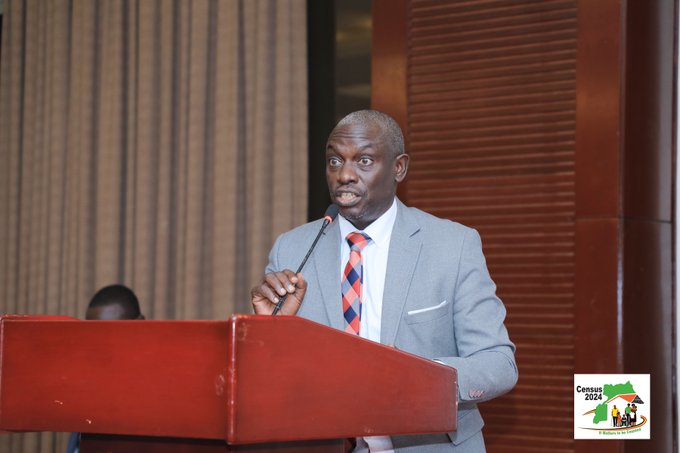
Dr Vincent Fred Ssennono, the Deputy Executive Director of UBOS, said improved access to water sources must be accompanied by efforts to ensure that water supplied to households is safe for consumption.
He cited findings from the 2022 Uganda Demographic and Health Survey, which showed that 89 per cent of households were at risk of waterborne diseases because of contaminated drinking water. The figure was higher in rural areas, where 93 per cent of households faced the risk.
“Although we have made progress in accessing improved water sources, the water used by households for drinking may still expose people to waterborne diseases,” Ssennono said.
He made the remarks on Thursday during a media briefing ahead of Africa Statistics Week 2026, which UBOS will mark from November 12 to 20 under the theme, “Institutionalising Water and Sanitation Statistics for Sustainable and Climate-Resilient Development in Africa.”
Ssennono said reliable statistics on water and sanitation were necessary to help government identify communities with inadequate services, direct resources to areas of greatest need and assess whether investments were making a difference.
“Knowing which communities lack reliable water and sanitation services helps public authorities determine where to invest and monitor whether those investments are reaching the people who need them,” he said.
He added that UBOS, working with local governments, had developed an application to help districts identify water sources and establish their geographical locations through georeferencing.
The system is intended to help authorities establish where different water sources are located within districts, providing information that can guide planning and service delivery.
More than 80 per cent of households use safe drinking water sources, according to figures presented at the briefing. However, Ssennono said the risk of contamination remained a concern that required greater attention.
The high-level dialogue on water and sanitation statistics, scheduled for November 18, will be the centrepiece of the week-long activities. It will examine how better data can help Uganda and other African countries plan water and sanitation services and prepare for climate-related risks.
The programme also includes the launch of the Fourth Plan for National Statistical Development and UBOS Service Delivery Standards for 2025/26 to 2029/30 on November 13.
Other activities include a seminar for statistics professionals on November 16, a student symposium and sports gala on November 17, and grant donations and tree planting on November 19.
UBOS said the student symposium would help young people pursuing statistics understand the role of data in policy formulation and public planning.
The annual Africa Statistics Week activities are intended to promote the use of reliable statistical information in planning, decision-making and monitoring development programmes.