



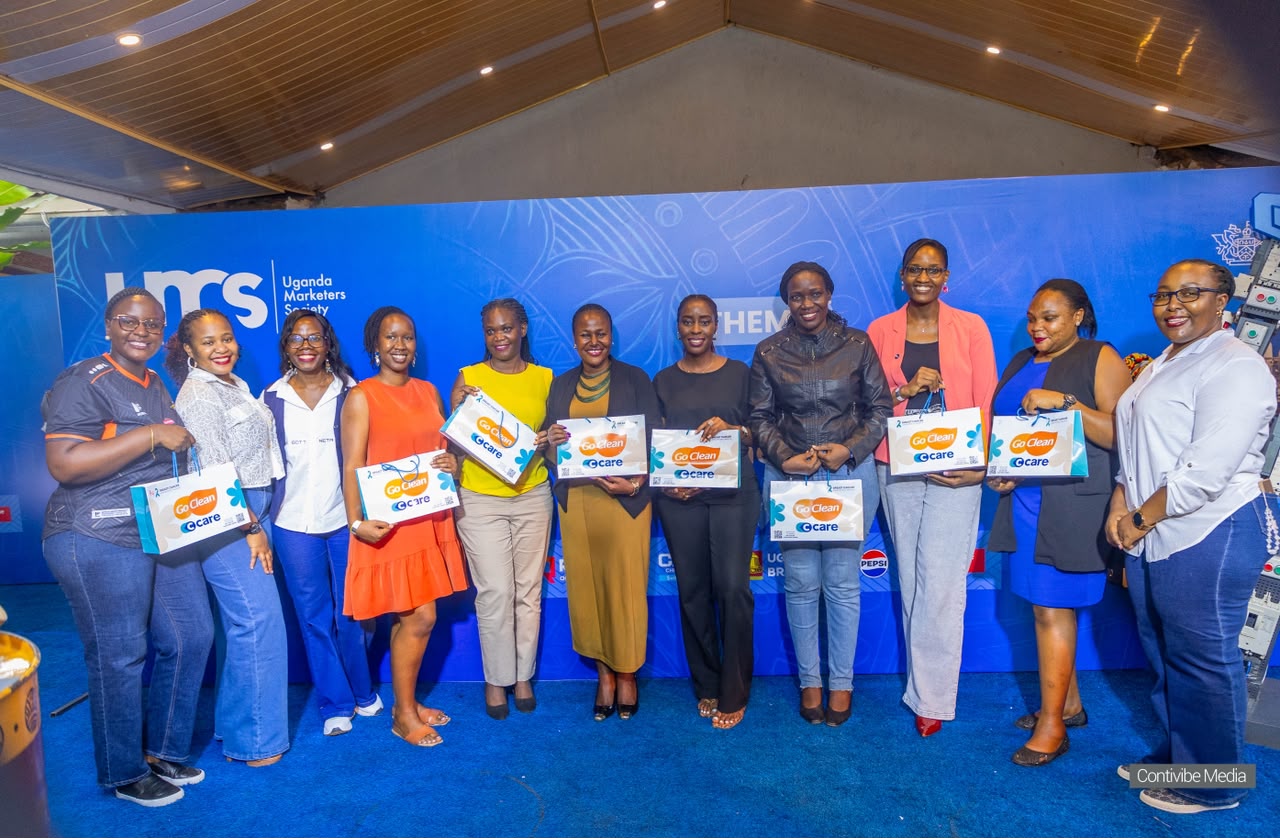
Uganda’s tourism industry offers significant opportunities for young professionals, entrepreneurs and marketers to build businesses beyond traditional tour guiding and hospitality, industry leaders said at the Uganda Marketers Society (UMS) Ignite Session held at Zimbali Bistro on Friday, October 16th, 2026.
Held under the theme “Brand Uganda! Is the Product as Good as the Promise?”, the discussion brought together Uganda Tourism Board (UTB) Chief Executive Officer Juliana Kagwa, Uganda Media Centre Executive Director Alan Kasujja and tourism and conservation expert Herbert Byaruhanga to examine how Uganda can strengthen its tourism offering and translate its destination appeal into economic value.
A key message from the discussion was that building Brand Uganda requires more than promoting the country internationally. It also calls for greater awareness among Ugandans, stronger tourism products and increased participation by local businesses across the tourism value chain.
Kagwa challenged the notion that Uganda’s tourism marketing efforts have already reached their full potential, arguing that the country is still building the foundations needed to establish a stronger destination brand.
“To say there is a leak in our marketing funnel implies we were already filling it. We are only starting this journey,” Kagwa said while emphasising the need to build awareness, improve accessibility and develop tourism experiences that deliver on the expectations created by destination marketing.
For young entrepreneurs and marketers, she noted, this presents an opportunity to develop products and services that make Uganda’s tourism offering more accessible, distinctive and competitive.
Byaruhanga, who has spent decades developing eco-tourism and birdwatching in Uganda, highlighted the commercial potential of specialised tourism experiences and the businesses that support them.
Uganda’s rich birdlife, with more than 1,100 recorded bird species, provides a strong foundation for birdwatching tourism.
However, the economic opportunities extend well beyond the guiding experience itself. The wider value chain includes specialised transport, accommodation, hospitality training, content creation, destination marketing and community-based experiences.
“A single international birdwatcher can spend upward of $7,000 across a two-week itinerary,” Byaruhanga noted, highlighting the potential value of specialised tourism.
He challenged marketers to help package and promote these experiences to international audiences while ensuring local communities and businesses benefit from tourism expenditure. The discussion also highlighted the importance of developing specialised skills and widening participation in the sector, including opportunities for women working as birding guides and other tourism professionals.
Kasujja challenged Ugandans to take a more active role in promoting their own country, arguing that domestic appreciation of Uganda’s attractions, culture and hospitality is an important foundation for international destination marketing.
“Our biggest challenge is that Ugandans don’t know Uganda,” Kasujja said, calling for greater interest in domestic travel and a stronger sense of ownership of the country’s tourism story.
He argued that when Ugandans explore their own country and share their experiences, they help build awareness of destinations that international visitors may also want to discover.
The discussion reinforced the role of domestic tourism in creating demand for local tourism businesses while encouraging Ugandans to become advocates for the country’s attractions and cultural experiences.
The Ignite Session explored a central question for Uganda’s tourism sector: how can the country ensure that the experiences visitors encounter match the promise made through destination marketing?
The panellists pointed to the need for closer alignment between promotion, product development, professional skills and the quality of visitor experiences.
“For marketers and content creators, this means moving beyond awareness campaigns to help develop and commercialise tourism experiences. For entrepreneurs, it means identifying gaps in the value chain and building businesses around the country’s natural, cultural and hospitality assets.” Kagwa added.
The Uganda Marketers Society convenes Ignite Sessions to encourage professional exchange, strengthen marketing practice and connect creative thinking with opportunities across Uganda’s growth sectors. UMS acknowledged the support of Uganda Breweries, Corporate Image Ltd, among others.