


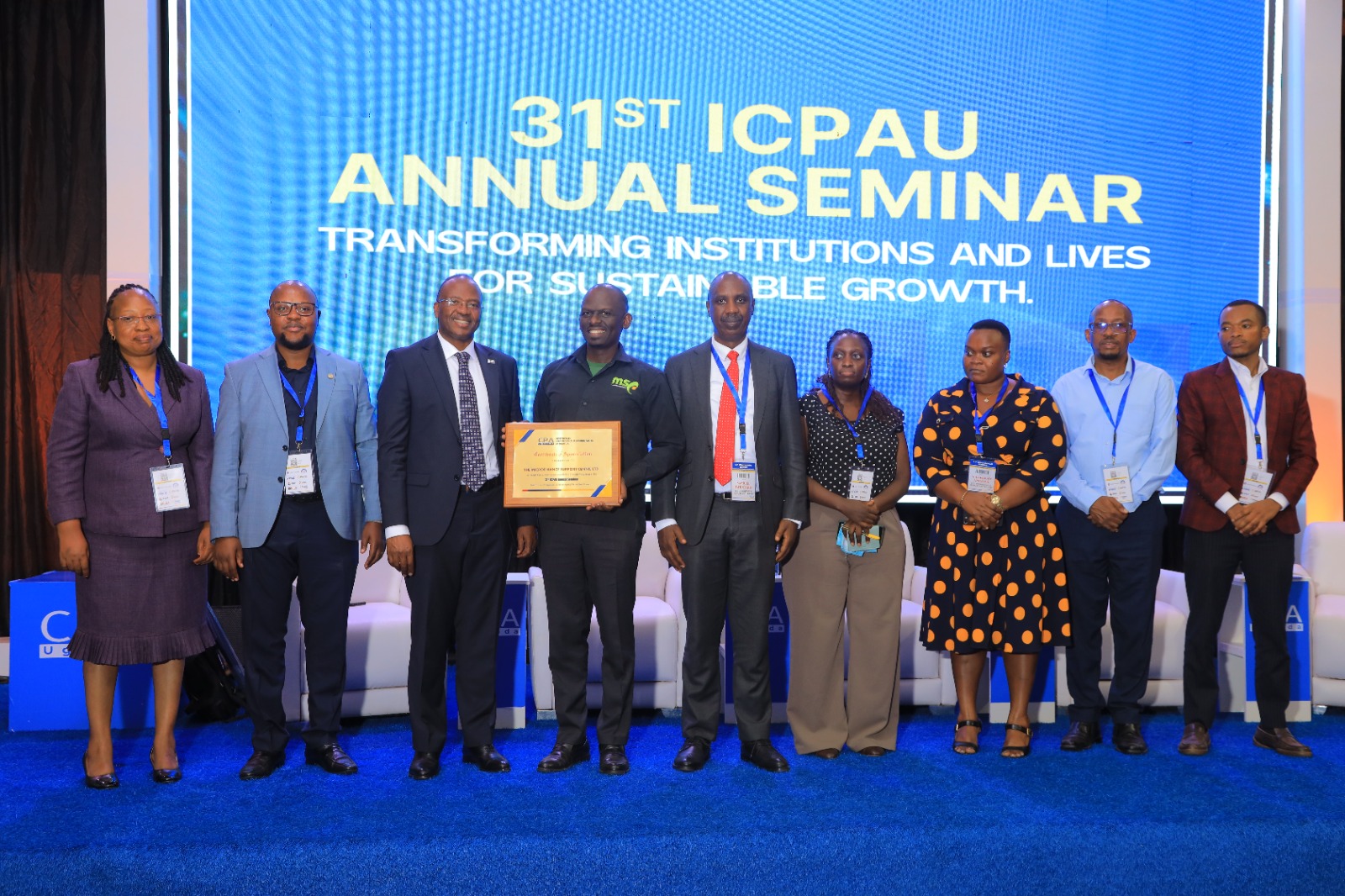
ENTEBBE — Accountants have been urged to take a more active role in Uganda’s socio-economic transformation by supporting Savings and Credit Cooperative Organisations (Saccos), community groups and microfinance institutions to expand access to affordable financing.
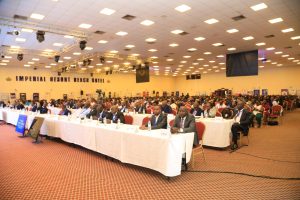
The call was made by the Microfinance Support Centre (MSC) during the 31st Annual Seminar of the Institute of Certified Public Accountants of Uganda (ICPAU), held from September 2 to 4, 2026, at Imperial Resort Beach Hotel in Entebbe.
The seminar, held under the theme “Sustaining Institutions and Lives for Sustainable Growth,” attracted more than 1,700 participants and brought together accountants and other professionals to discuss institutional sustainability, economic development and household livelihoods.
Tadeo Atuhura, Head Communications, MSC, said accountants are strategically positioned to promote financial inclusion because of their professional networks and influence within communities.
“I would like to invite all of us here, because I know you are a voice on your different platforms. I know you know of Saccos that are within your different regions, but also to mobilise people to join those Saccos, to support them, to direct them to where we are,” Atuhura said.
He said MSC, which has operated for 25 years, focuses on improving the livelihoods of economically active poor Ugandans through capacity building, skills development and access to affordable credit.
“For the last 25 years, we have been at the helm of ensuring that we transform the livelihoods of the active poor, and we do that as an agency of government by providing capacity building, ensuring that people are trained, people are given skills and knowledge before we can give them affordable credit,” he said.
Atuhura said MSC provides financing at an interest rate of 8 per cent per annum, but does not lend directly to individuals.
“We look at ensuring that we support Saccos. We don’t give funds to individuals; we give funds to Saccos, to groups, to microfinance institutions,” he said.
He challenged accountants to use their expertise to strengthen community-based financial institutions, arguing that stronger Saccos can help more Ugandans gain access to formal financial services and affordable credit.
“Our biggest target is every active Ugandan; every active poor Ugandan should be able to have affordable credit, and then they should be in the Sacco, and then create wealth. Everyone must be into the money economy,” Atuhura said.
He said wealth creation should not only be viewed through the lens of large investments or national economic indicators, but also through small enterprises that generate regular household income.
“When we talk about wealth creation, friends, we need to have every person in the money economy. It’s not about the macro level; it’s about the little money that somebody gets,” he said.
According to Atuhura, activities such as poultry and piggery can provide households with income while helping people shift from dependence on formal employment to running their own enterprises.
“Somebody can be able to rear pigs, can be able to start up any enterprise that brings daily income, to run away from being a job seeker, to more of how can you be able to run your own economy at home, have money, look after your family, look after your children, have something to sell in the money economy,” he said.
Atuhura also highlighted MSC’s support for government programmes through agricultural inputs, equipment and financing aimed at improving productivity.
He cited tractors as an example of how access to appropriate technology can help farmers increase production and take advantage of planting seasons.
“Some farmers used to spend about a month to till an acre of land. And by the time they would be ready to plant, the season is gone,” he said.
“But when they have a tractor, one acre is cleared in 30 minutes. It means they are going to be ready for the next season. And it means these people here are going to be able to have something that they can sell at the end of it all; their yield is going to be good.”
MSC operates through 12 zonal offices and satellite offices across Uganda and provides services including capacity building for Saccos.
Atuhura said the institution also works with government ministries, departments and agencies in implementing programmes such as the Parish Development Model (PDM).
He called on professional associations and accountants to establish and strengthen Saccos within their communities, saying MSC can provide technical support and facilitate access to affordable government-backed financing.
“Together, we’ll create socio-economic transformation. We’ll achieve the tenfold strategy that we are talking about, the $500 million economy that starts from empowering the people at the grassroots level,” he said.
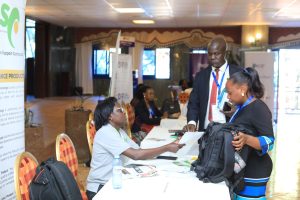
MSC also used the seminar to showcase testimonies from beneficiaries of its programmes, highlighting the role of resilient Saccos, affordable financing and enterprise support in improving household incomes and livelihoods.
The institution said its participation in the ICPAU seminar was aimed at building stronger links with professionals who can help promote financial literacy, responsible financial management and broader participation in Uganda’s money economy.