


KAMPALA — The Manifesto Implementation Unit (MIU) in the Office of the President has launched a series of regional leadership retreats aimed at equipping local government leaders with the knowledge and tools to implement the National Resistance Movement (NRM) Manifesto 2026–2031.
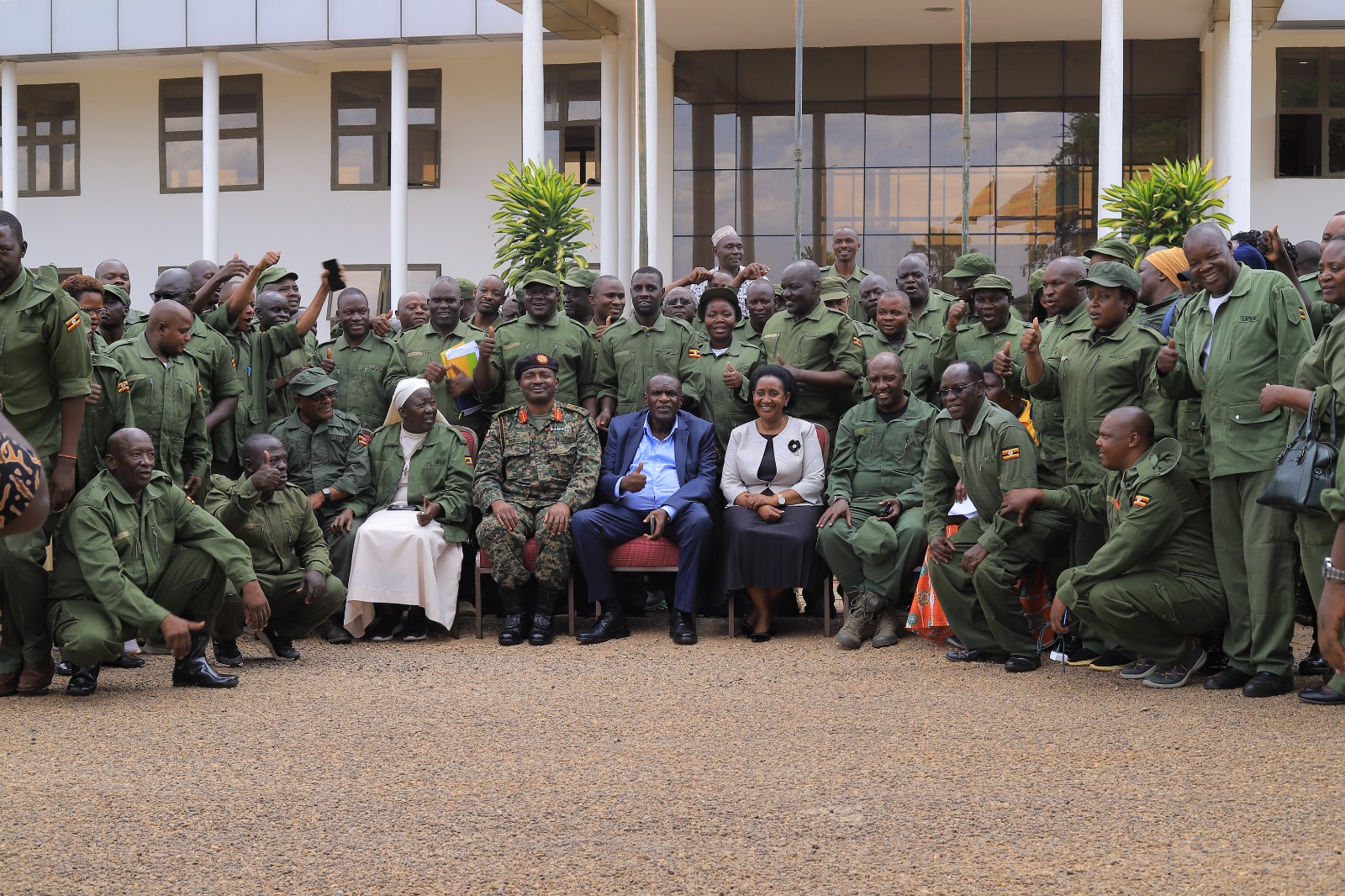
The first five-day retreat running from August 31 to September 4, 2026, will bring together at least 200 local government and political leaders from the Western Region at the National Institute of Leadership in Kyankwanzi District.
Participants include Resident District Commissioners (RDCs), Resident City Commissioners (RCCs), LCV district and NRM chairpersons from the Ankole, Bunyoro, Kigezi and Rwenzori sub-regions, as well as mayors, chief administrative officers and city, municipal and town clerks.
The retreat is part of the MIU’s FY2026/27 regional leadership engagement programme.
Willis Bashaasha, Director of the Manifesto Implementation Unit, said local government leaders occupy a critical position in converting political promises into services and projects that citizens can see.
“Local government leaders are the link between the Manifesto and citizens. They translate its commitments into local plans and budgets, coordinate implementation, monitor progress and account for results,” Bashaasha said.
The training comes as the government intensifies scrutiny of local government performance, with nationwide accountability and anti-corruption inspections raising concerns over the misuse of public resources, weak implementation of government projects and gaps in accountability.
Bashaasha said accountability should not begin after public resources have been lost or projects have failed.
“Accountability must begin with understanding expectations, planning for delivery and tracking results,” he said.
He added that the MIU wants local leaders to understand precisely what is expected of them and to have the capacity to demonstrate what has been achieved.
“Our role is to ensure local government leaders have the clarity and tools to deliver on Manifesto commitments and account for public resources,” Bashaasha said.
Focus on evidence and results
A central component of the retreat will be evidence-based reporting, with local governments expected to document progress against government commitments, identify implementation bottlenecks and provide evidence of results.
The approach reflects a growing emphasis within government on moving beyond reports that merely state that projects have been implemented to establishing what was actually delivered, where it was delivered and whether citizens benefited.
Minister for the Presidency Hon. Babirye Milly Babalanda said implementation of the manifesto must ultimately be measured at the local level, where citizens encounter government on a daily basis.
“The implementation of the NRM Manifesto begins where citizens live; in our districts, cities and municipalities,” Babalanda said.
She said the retreats would encourage local government leaders to work collectively and maintain a stronger presence in the communities they serve.
“This retreat will help local government leaders to be present in the field, work as a team, and ensure that every commitment made to Ugandans is translated into tangible results,” she said.
The retreat will also allow leaders to exchange experiences, identify common obstacles and strengthen coordination among political and technical officials responsible for implementing government programmes.
From manifesto to local government
The initiative places local governments at the centre of the government’s effort to deliver the NRM’s 2026–2031 commitments.
This is significant because national manifestos are often written in the language of large programmes, budgets and political commitments; citizens, however, encounter government through much smaller realities — a functioning health centre, a classroom, a road, clean water, agricultural services or a local government office that actually works.
The MIU says its regional retreats are intended to close that gap by helping leaders connect manifesto commitments to local planning, budgeting, implementation and monitoring.
Following the Western Region retreat, similar engagements will be conducted in other regions of the country.
The MIU operates under the Office of the President and is responsible for tracking, monitoring and evaluating the implementation of government commitments contained in the NRM Manifesto.
The unit monitors implementation across ministries, departments, agencies and local governments and reports progress to the Presidency and relevant government institutions.
It also works with the NRM party to communicate government achievements.