


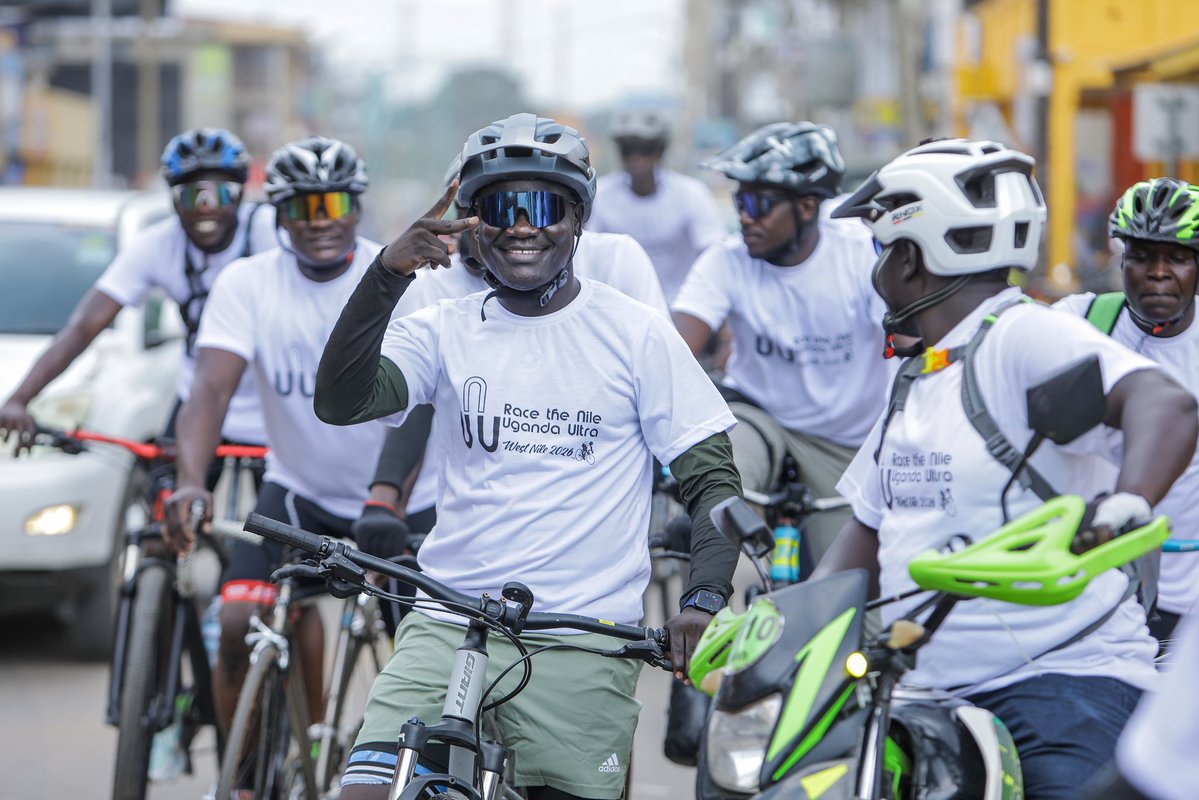
West Nile is set to take centre stage in Uganda’s sports tourism landscape with the launch of Race the Nile-Uganda Ultra, an international cycling challenge designed to combine extreme endurance with destination promotion, community participation and economic opportunity.
The inaugural race, scheduled for November 23–27, 2026, will start and finish in Arua City, covering approximately 800 kilometres across all districts of the West Nile region. About 97 per cent of the route will be on gravel, with only three per cent on tarmac, offering cyclists a demanding test of endurance while taking them through some of the region’s most distinctive landscapes and communities.
The event officially launched at the Sheraton Kampala Hotel, bringing together government leaders, tourism stakeholders, the cycling fraternity, development partners and private-sector players. It follows an earlier launch held in Arua City on August 4.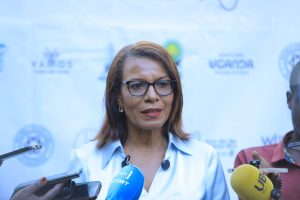
Conceived by Pablo Rodriguez, Klemens Kollenz and Lilly Ajarova, Race the Nile is positioned as more than a sporting competition. It seeks to use cycling as a platform to showcase West Nile’s tourism potential, including its cultural diversity, heritage, food, agricultural products, wildlife and dramatic landscapes.
Speaking at the launch, Race the Nile Chief Executive Officer Lilly Ajarova said the race was born from a vision to unlock West Nile’s tourism and economic potential through sport.
“The race will start and end in Arua City, but it will cover a distance of 800km going through all the districts of West Nile. It is an extreme sport that will be mostly on gravel, with only three per cent of the distance on tarmac,” Ajarova said.
The route will also take cyclists along sections of the River Nile, while showcasing the Northern Escarpment, Rift Valley landscapes and views around Lake Albert.
Ajarova said the event is intended to introduce a largely unexplored destination to both Ugandan and international travellers. “West Nile is a very raw frontier that is not known even to most Ugandans, yet it is a very rich region,” she said, pointing to the region’s cultures, landscapes, historical sites and other tourism assets.
Unlike conventional cycling races, Race the Nile will be entirely self-supported. Participants will be responsible for their accommodation, food, navigation, supplies and bicycle repairs along the route. Organisers will provide information on routes, stopover points, hotels, lodges and supply locations but will not make bookings on behalf of participants.
The model is expected to create direct opportunities for communities along the route as cyclists stop in villages and trading centres to purchase food, supplies and other services.
Isaac Mulindwa, CEO of Wuza (U) Ltd, the event organiser, said the self-supported nature of the race would ensure that local communities become part of the cyclists’ experience.
The inaugural edition will be capped at 50 international cyclists, with registrations already expected from Uganda, the United States, Europe and other parts of Africa. Organisers say the smaller field will allow them to gather lessons and strengthen the event before expanding it in subsequent editions.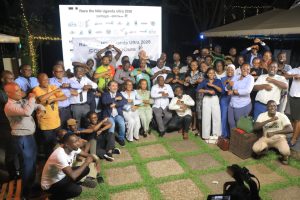
The race will also link sport with conservation. The winner will name one of the white rhinos at Ajai Wildlife Reserve, creating a direct connection between the sporting event, wildlife conservation and West Nile’s tourism identity.
For organisers, the ultimate goal is to establish Race the Nile as an annual international event and one of Africa’s leading cycling and sports tourism experiences.