


KAMPALA — Pearl Bank has called on agricultural small and medium-sized enterprises (Agri-SMEs) to take advantage of available financing opportunities to expand their businesses, improve productivity and contribute to Uganda’s economic transformation.
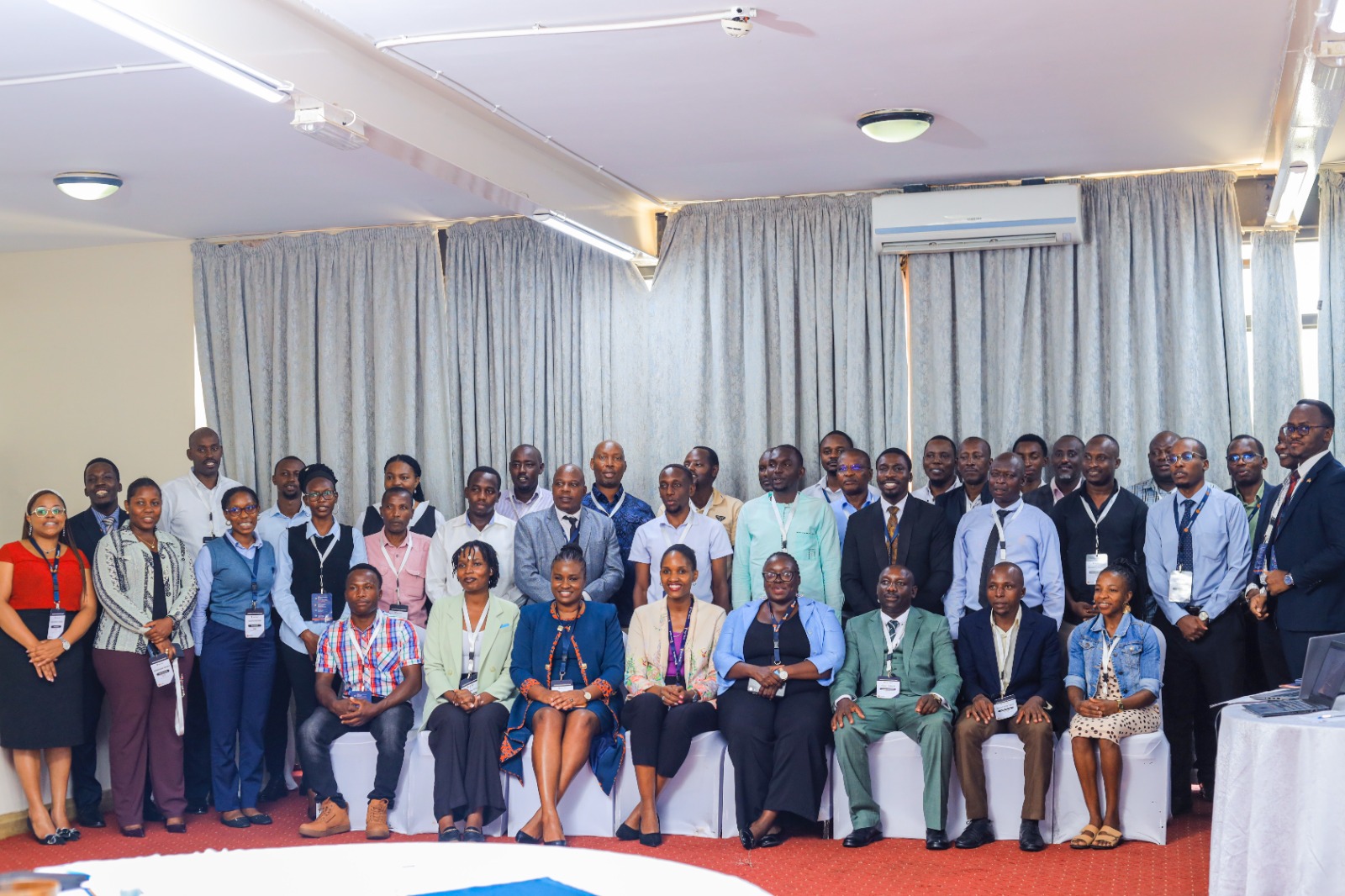
The call was made at the close of a three-day Agri-SME Bootcamp organised by Pearl Bank in partnership with Ronalds in Africa, which brought together more than 30 agribusinesses from across the country for technical assistance training at Skyz Hotel in Naguru.
Speaking at the event, Pearl Bank’s Regional Head for Greater Kampala, Martin Lukyamuzi, said agriculture remains one of Uganda’s most important economic sectors and a key pillar of the government’s ATMS strategy—Agro-industrialisation, Tourism, Mineral Development, and Science, Technology and Innovation—which aims to grow the country’s economy from **US$50 billion to US$500 billion by 2040.

“Agriculture continues to play a critical role in the growth of our economy. The sector employs more than 70 percent of Ugandans either directly or indirectly and remains one of the key drivers of the government’s Tenfold Growth Strategy,” Lukyamuzi said.
He noted that the training programme was designed to equip Agri-SMEs with practical skills to improve their operations and become more attractive to financiers.
“We are confident that with the right financing and the implementation of the knowledge acquired during this bootcamp, agribusinesses will be able to scale sustainably while complementing government’s efforts to achieve a US$500 billion economy by 2040,” he added.

During the bootcamp, Ronalds in Africa trained participants in business growth strategies, corporate governance, systems development, financial management, investment readiness and accessing larger financing facilities.
Chief Executive Officer of GRO Foundation, Laban Musinguzi, encouraged farmers to focus on market-oriented production and value addition if they are to compete in regional and international markets.
He said producers must first understand their target markets before investing in production.
“Uganda has enormous opportunities in regional and international trade, but farmers need to know who they are producing for. Value addition is essential if we are to compete effectively and benefit from export markets,” Musinguzi said.

Participants also shared practical experiences on building successful agribusinesses.
Managing Director of Machame Farm, Upendo Malikia, explained how the enterprise had expanded from 40 acres to 1,300 acres through mechanisation, strong operational systems, strategic partnerships, sound record-keeping and access to commercial financing from Pearl Bank.
She said the growth of the farm has not only increased production but also created employment opportunities and contributed to socio-economic transformation in Nwoya District, where the farm operates.

Pearl Bank reaffirmed its commitment to supporting entrepreneurs through tailored financial products and advisory services designed to unlock growth across key sectors of the economy.
“We remain committed to designing accessible financial products and services that enable businesses to thrive while contributing to employment creation, financial inclusion, food security, increased trade and Uganda’s broader socio-economic development,” Lukyamuzi said.
The bank said empowering entrepreneurs, particularly those in agriculture, remains central to its purpose of “Fostering Prosperity for Ugandans.”