



LONDON, United Kingdom — The United Kingdom has announced a sweeping ban on social media access for children under the age of 16, becoming one of the world’s most restrictive countries on youth use of digital platforms in a move aimed at protecting children’s mental health and online safety.
Prime Minister Sir Keir Starmer unveiled the policy on Monday, saying the government was taking decisive action to “give kids their childhood back” amid growing concerns about the impact of social media on young people’s wellbeing. The proposed legislation is expected to be presented to Parliament before Christmas, with the new rules set to come into force in Spring 2027.
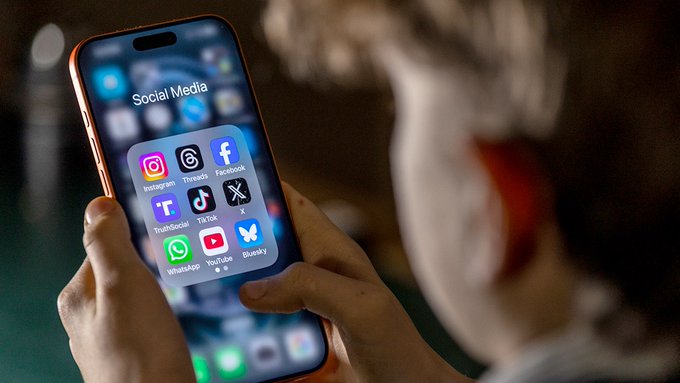
Under the new measures, children under 16 will be prohibited from accessing major social media platforms, including Instagram, TikTok, Snapchat, Facebook, YouTube, and X. Messaging services such as WhatsApp and Signal will not be covered by the ban, although the government says they will remain under review.
The government also announced additional restrictions designed to protect young people online. These include preventing under-16s from livestreaming on certain platforms and blocking strangers from contacting children through gaming and online services.
Authorities are also considering overnight social media curfews and limits on addictive features such as infinite scrolling for users under 18.
According to the UK government’s Department for Science, Innovation and Technology, the policy follows a nationwide consultation that revealed overwhelming public support for tougher online protections.
Officials said nine out of ten parents backed a social media ban for under-16s, while many young people also supported restrictions on certain online platforms.
“This is a line in the sand,” the government said in a statement announcing the reforms. “Tech giants had their chance and failed, but we’re stepping in to protect children, back parents and set a new normal for future generations.”
The enforcement of the ban will largely focus on technology companies rather than children themselves. Britain’s communications regulator, Ofcom, will be tasked with developing age-verification systems and ensuring platforms comply with the new requirements. Companies that fail to prevent underage users from accessing their services could face penalties under an enhanced regulatory framework.
The announcement has drawn praise from child safety campaigners and many parents who argue that social media contributes to cyberbullying, anxiety, addiction and exposure to harmful content.
However, technology companies and some digital rights advocates have questioned whether the ban will be effective, warning that young people may seek ways to bypass restrictions or migrate to less regulated online spaces.
The UK joins a growing number of countries seeking stronger controls on children’s use of social media, following similar measures adopted or proposed in countries including Australia.
Government officials say the latest reforms are part of a broader effort to create a safer digital environment for children and teenagers.