


A team of Australian travel professionals, tourism marketers, media voices, and travel trade representatives is currently undertaking a 10-day landmark familiarisation tour across Uganda, in what officials have described as one of the country’s most strategic tourism market penetration campaigns targeting Australia.
The trip, organised by the Uganda High Commission in Canberra in collaboration with the Ministry of Tourism, Wildlife and Antiquities, Uganda Tourism Board (UTB), Uganda Wildlife Authority (UWA), and private sector tourism stakeholders, is designed to position Uganda as a premium, emotionally immersive destination within the Australian outbound travel market.
The delegation commenced its journey in Southwestern Uganda, travelling from Kampala through Entebbe to Kisoro, where they engaged with community-led tourism initiatives and explored the intersection between conservation, livelihoods, culture, and sustainable tourism development.
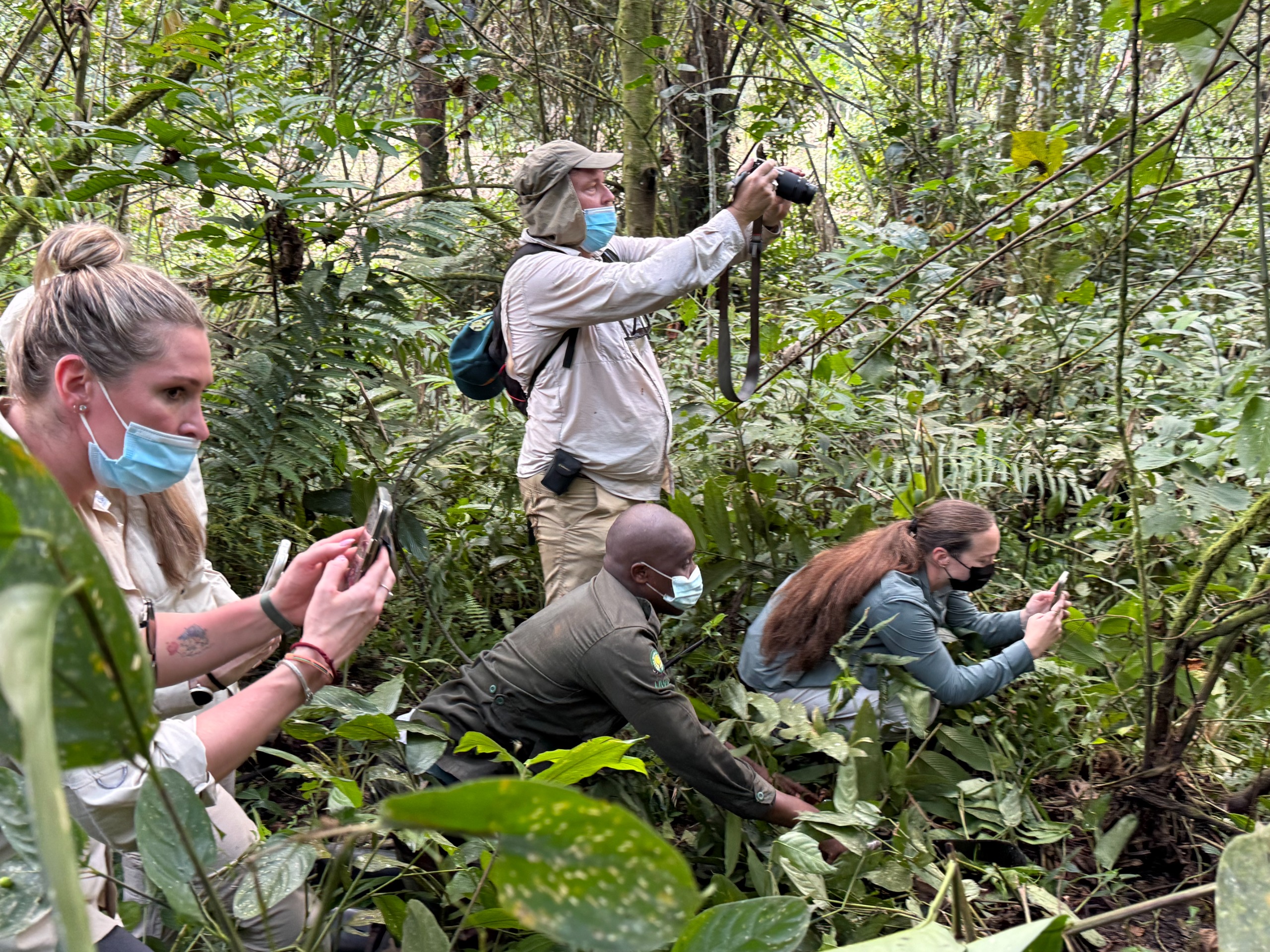
On the second day, the team participated in mountain gorilla tracking inside Bwindi Impenetrable National Park, an experience several members described as emotionally powerful, transformational, and unlike any wildlife encounter they had previously experienced.
For many on the trip, the encounter with the mountain gorillas was not simply tourism, but something far more personal.
“There are wildlife experiences you observe, and then there are experiences that completely disarm you emotionally,” said Nadine Jones, the Australian team lead.
“The moment you make eye contact with a mountain gorilla in Bwindi, something changes internally. It is difficult to explain until you experience it yourself. There is no performance, no artificial staging. It feels raw, humbling, and deeply human,” she added.
According to Tiisa Susan Mugwanya, Head of Tourism at the Uganda High Commission in Canberra, the familiarisation tour represents a deliberate shift in how Uganda positions itself internationally, moving beyond traditional safari marketing toward emotionally immersive and transformational travel experiences.
“The Australian market is sophisticated and well-travelled. Many Australians are no longer simply looking for holidays. They are looking for meaning, authenticity, conservation, and experiences that stay with them long after they return home,” Mugwanya explained.
“Uganda’s strength lies in its emotional depth. The combination of our biodiversity, culture, hospitality, conservation efforts, and intimate wildlife encounters gives us a unique advantage in the global tourism economy,” she added.
Mugwanya noted that Australia represents a high-potential long-haul market whose travellers naturally align with Uganda’s tourism offering due to strong Australian interests in outdoor adventure, conservation, eco-tourism, and authentic cultural experiences.
The delegation is expected to continue its journey across several key tourism destinations in Uganda, experiencing wildlife, culture, adventure tourism, and community-based tourism initiatives.
Tourism officials believe the familiarisation trip will generate significant long-term value through media storytelling, digital content creation, trade partnerships, and direct travel referrals within Australian tourism networks.
Industry experts note that emotionally memorable travel experiences often generate stronger word-of-mouth referrals, repeat visitation interest, and higher-value tourism advocacy compared to conventional sightseeing tourism.
Uganda’s tourism sector increasingly sees this form of experiential storytelling as central to its international growth strategy.
“This is no longer only about attracting visitors,” Mugwanya said.