


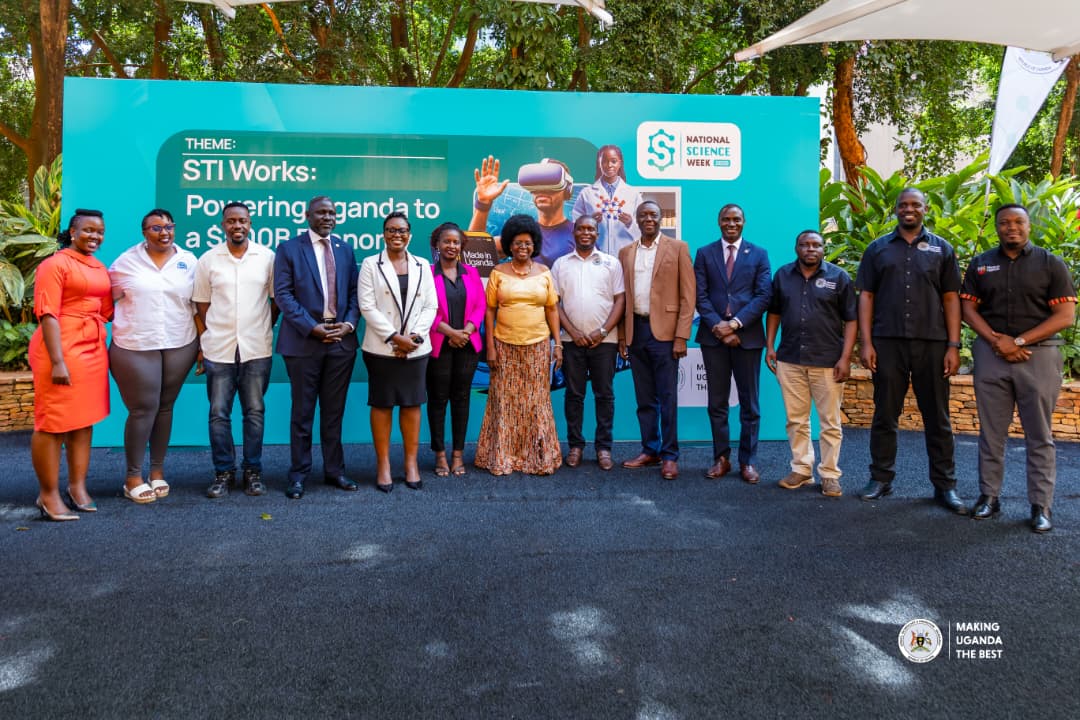
KAMPALA — Uganda is set to host National Science Week 2026, a flagship science, technology, and innovation exhibition aimed at accelerating the country’s transformation into a USD 500 billion economy through homegrown innovation and industrialisation.
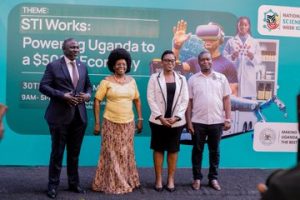
The event, scheduled for April 30 to May 3, 2026, will be launched at Serena Hotel in Kampala under the theme: “STI Works: Powering Uganda to a USD 500 Billion Economy.”
According to the Science, Technology and Innovation Secretariat in the Office of the President Science, Technology and Innovation Secretariat, this year’s edition marks a shift from conceptual development to large-scale innovation deployment and market integration.
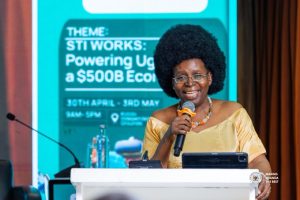
“We move from pathfinding to acceleration, showcasing the systems, innovators, and products driving Uganda’s transformation,” the Secretariat said in a statement.
STI positioned as a driver of economic transformation
The Minister for Science, Technology and Innovation, Hon. Dr Monica Musenero Musanza, said Uganda is increasingly positioning science and innovation as a central pillar of job creation and economic growth. “STI is not a scientific exercise but a tool for job creation,” she said.
Dr Musenero announced that Uganda has partnered with Kenya and Egypt to develop CLIMCAM, a regional weather monitoring system expected to be launched ahead of commissioning in August.
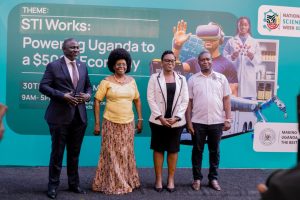
She said the country has moved beyond experimentation to building functional systems that connect innovation to markets. “We now understand the journey from idea to market. Platforms like Made in Uganda are ensuring that innovation is not just created, but experienced, adopted, and scaled,” she said.
Dr Musenero added that the initiative is designed to bridge the gap between invention and economic impact. “This is not a showcase of isolated success stories. It is a working system. Made in Uganda brings that system to life by connecting products, producers, and markets,” she said.
She further emphasised the importance of citizen participation in supporting local innovation. “Every Ugandan has a role to play. Engaging with Made in Uganda, by buying and supporting local products, is how we participate in building our economy,” she said.

From raw materials to value-added production
Dr Musenero said Uganda is steadily transitioning from raw material dependence to value-added industrial production. “We are moving from raw materials to high-value products. Made in Uganda is enabling Uganda to compete through what we produce, package, and take to market,” she said.
She added that National Science Week will provide a platform where innovation meets commercialisation. “We have moved from understanding to execution. Made in Uganda is where innovation meets the market, turning ideas into products, and products into economic growth,” she said.
She also stressed that visibility and public engagement are key to building trust in local innovations. “Ugandans can now see, touch, and engage with locally developed products. Made in Uganda is building trust through real experience,” she said.
Packaging and market access to be expanded
Officials said this year’s event will introduce a Packaging Centre of Excellence aimed at supporting Ugandan producers to improve product quality and market readiness.
Ms Cathy Muwumuza, Superintendent of Support Services at the STI Secretariat in the Office of the President of Uganda, said the facility will help bridge gaps in packaging and export competitiveness.

“Every product you see is proof that our systems are working. Made in Uganda is no longer an idea; it is a growing ecosystem turning innovation into real businesses, real markets, and real impact,” she said.
She added that the centre will provide technical support for entrepreneurs. “Packaging Centre of Excellence: A first-of-its-kind facility will support producers in improving packaging, helping transform locally made products into export-ready goods that can compete in international markets,” she said.
Ms Muwumuza also highlighted new initiatives, including a culinary showcase platform. “Deli 256 will showcase Ugandan cuisine in a modern, accessible format, demonstrating how local food can be reimagined and positioned within contemporary consumer experiences,” she said.

Building trust in local innovation
Undersecretary Peter Orieun said National Science Week is designed to strengthen public trust in Ugandan-made products and technologies. “The Made in Uganda platform is a key tool for building confidence. One of the biggest challenges has been trust,” he said.
He added that public engagement is central to scaling innovation. “Buying, using, and talking about Made in Uganda products grows markets, creates jobs, and strengthens the entire ecosystem,” Orieun said.
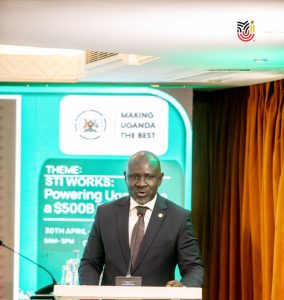
He also emphasised the role of cross-sector collaboration. “Growth comes from collaboration. When we support Made in Uganda together, we unlock investment, build momentum, and create real economic impact,” he said.
Orieun further called on the media to play an active role in shaping public perception of innovation. “The media has a role beyond reporting. The stories you tell shape trust, build markets, and influence how Ugandan innovations and products are adopted,” he said.
National Science Week 2026 is expected to bring together innovators, policymakers, investors, and the public in a national showcase of Uganda’s expanding science and technology ecosystem.