


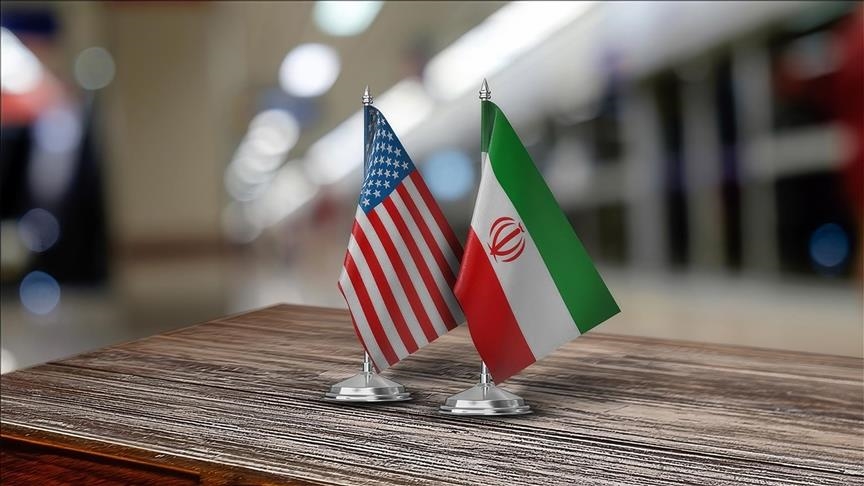
Washington/Tehran/Islamabad — U.S. President Donald Trump has announced a temporary suspension of American military strikes against Iran under what he described as a “double-sided ceasefire,” following what Washington says were intensive diplomatic efforts led by Pakistan.
The announcement, made late Tuesday via official White House communications and social media, comes amid heightened tensions in the Middle East involving Iran, the United States, and Israel, and reports of escalating strikes in the region.
According to statements attributed to the White House and reported by international media outlets including the BBC, Reuters, and Al Jazeera, the ceasefire is expected to last two weeks to allow negotiations toward a longer-term agreement.
Trump said the pause followed talks with Pakistani Prime Minister Shehbaz Sharif and military leadership in Islamabad, who allegedly helped broker initial terms of the truce.
“This will be a double-sided ceasefire,” Trump said in a post cited by U.S. media. “We have already met and exceeded all military objectives, and we are very far along with a definitive agreement concerning long-term peace.”
Ceasefire Terms and Diplomatic Push
Reports from Washington indicate the framework includes a proposed 10-point peace plan still under negotiation, with Pakistan acting as a key intermediary.
Among the reported provisions are: a 14-day ceasefire window to allow diplomatic talks, restoration of safe commercial shipping routes through the Strait of Hormuz and regional de-escalation discussions involving multiple.
Pakistani officials, as cited by regional media, have welcomed the pause in hostilities, describing it as a “critical opportunity to prevent further regional escalation.”
Iran Responds: Supreme Leader Issues Warning
In Tehran, Iran’s Supreme Leader Ayatollah Ali Khamenei issued a strongly worded response through state-linked media, saying the announcement should not be interpreted as the end of the conflict.
According to Iran’s Press TV and statements echoed by Iranian state outlets, Khamenei said the ceasefire “does not signify the termination of the war,” warning that Iranian forces remain “fully prepared” and that the country’s “hands remain on the trigger.”
Iranian officials also reiterated that any agreement must respect Iran’s sovereignty and security interests, particularly regarding military activity in the Persian Gulf and sanctions pressure.
Israel and Regional Reactions
Israeli Prime Minister Benjamin Netanyahu, in comments reported by Israeli and international media, expressed cautious support for any pause in fighting but emphasised that Israel’s security operations would continue against Iran-aligned groups, including Hezbollah in Lebanon.
The broader conflict has drawn in multiple regional actors, raising concerns among Western and Middle Eastern diplomats about the risk of a wider war.
Economic and Global Impact
Initial market reactions, reported by financial outlets such as Bloomberg and Reuters, showed volatility in global energy markets. Oil prices reportedly eased in early trading following news of the ceasefire, as fears of disruptions in the Strait of Hormuz temporarily subsided.
Analysts, however, warned that markets remain highly sensitive due to uncertainty over whether the ceasefire will hold beyond the initial two-week window.
A Fragile Pause in Hostilities
Despite the announcement, diplomatic observers caution that the situation remains highly unstable. Both Washington and Tehran have framed the ceasefire differently—one as a pathway to a broader peace deal, and the other as a temporary tactical pause.
With negotiations expected to continue in Islamabad later this week, international attention is now focused on whether Pakistan’s mediation can transform the fragile truce into a lasting diplomatic breakthrough—or whether the region is heading toward renewed escalation.