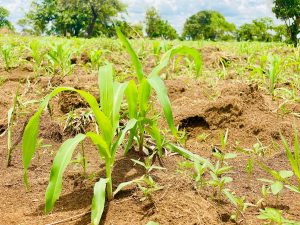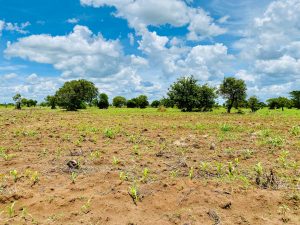



Teso — An agricultural revolution is sweeping through the Teso sub-region as the Microfinance Support Centre (MSC) deploys tractors to farmer cooperatives, successfully transitioning thousands of households from subsistence labour to a high-yield “money economy”.
In Amuria, Katakwi and Kumi districts, farmers who once depended on hand hoes and ox-ploughs are now witnessing a new era of mechanised agriculture, driven by an Islamic Development Bank financing of $10.43 million under the Local Economic Growth Support (LEGS) Project.
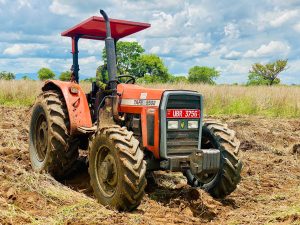
Under the LEGS framework, MSC and the Ministry of Local Government are driving rural industrialisation through a strategic 60/40 financing model, where the government covers the lion’s share of tractor costs to ensure farmer cooperatives access high-end machinery at a low 8% markup.
Mechanisation as a driver of transformation
MSC Regional Manager for Eastern Uganda, Francis Elwoku, said the project is already changing production patterns across the region. “The tractors deployed in Eastern Uganda have greatly improved agricultural productivity. Farmers are now able to cultivate more land, which has led to increased production, higher yields, and improved household incomes,” Elwoku said.
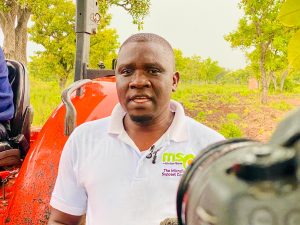
He added that the project is anchored in long-term institutional building. “Everywhere we visit, farmers express satisfaction because they can see the machinery actively working and improving their productivity. We thank the Government and His Excellency the President, as well as our partners like the Islamic Development Bank, for making this possible,” he noted.
Government push for inclusive rural finance
The LEGS Project is designed to expand access to rural finance and strengthen value chains across 17 districts. The goal is not only equipment distribution but also increasing productivity, wealth creation and household incomes.
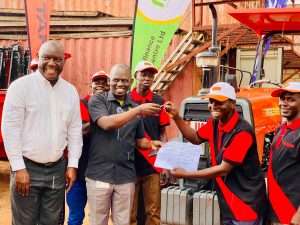
Tadeo Atuhura, MSC Communication Manager, said the government is very interested in ensuring transformation among Ugandans. “We provide equipment like tractors because we understand the impact they can create—jobs, increased production, and participation in the money economy,” Atuhura said.
He stressed accountability and sustainability. “We do not want situations where tractors break down within weeks due to poor handling. We expect impact—how livelihoods are improving because of access to this machinery,” he added.
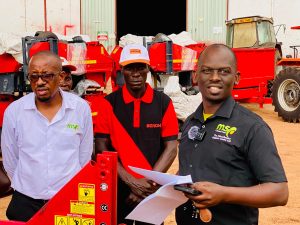
Field realities: Katakwi’s growing mechanised economy
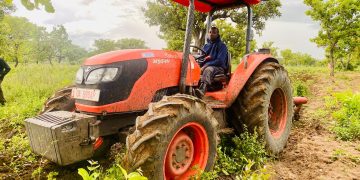
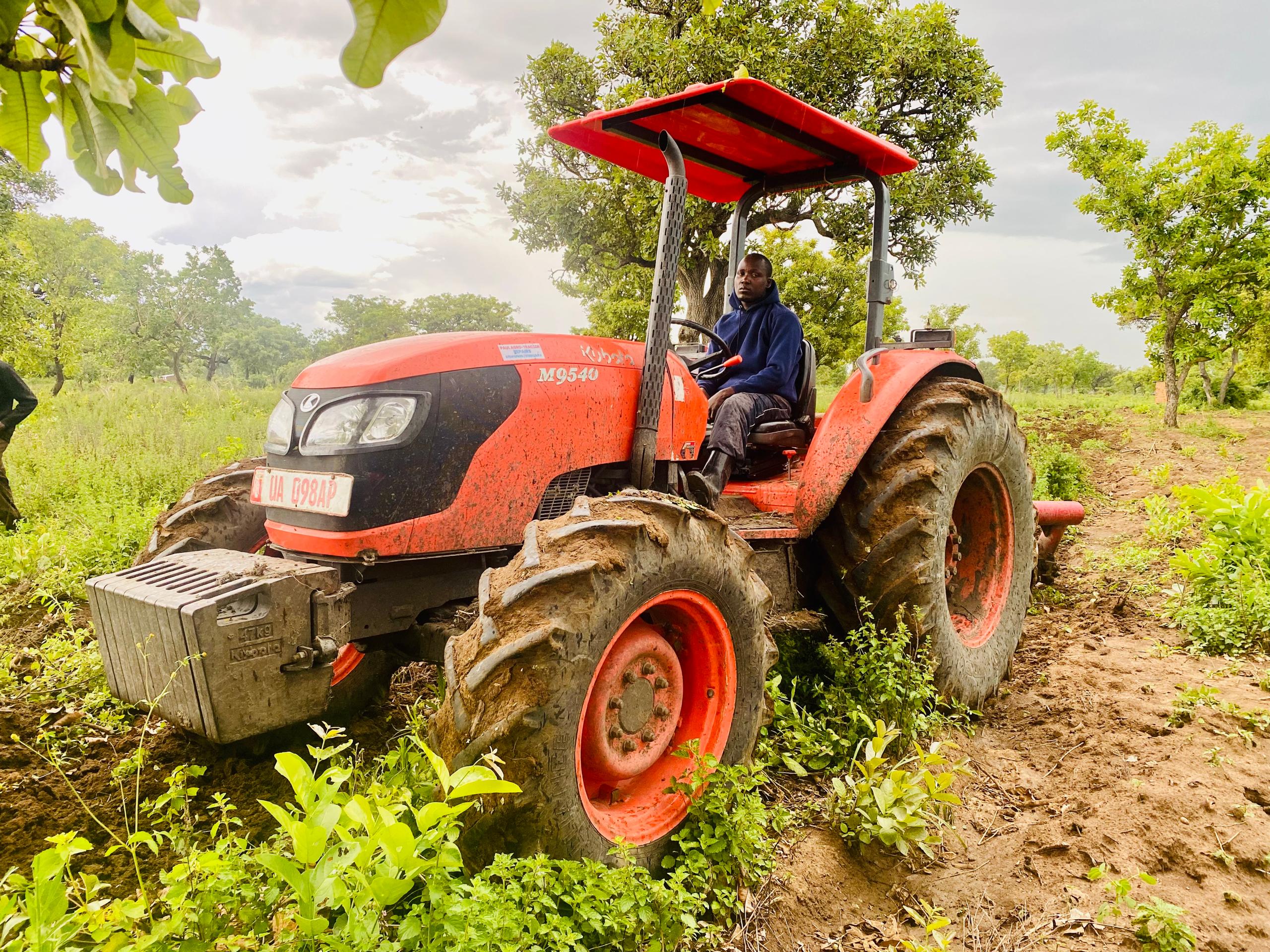
In Katakwi District, mechanisation is already reshaping rural livelihoods. Tractor operator Robert Opeitum from Amuturunyo Village, Ongongoja Sub-county, described a dramatic shift in his income and living standards.
“The tractor has helped me a lot. I earn money that I use to pay school fees for my children. When I plough about 10 acres in a day, I earn around Shs100,000 per day,” Opeitum said on Tuesday, March 31, 2026.
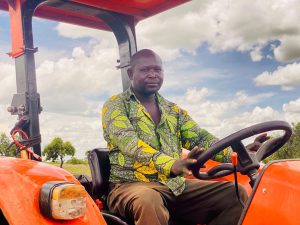
He contrasted his previous employment with his current earnings. “Before this job, I was earning about Shs300,000 per month. Now I earn more within a week than I used to earn in a whole month. It has improved my life significantly,” he added.
For cooperative leaders in Katakwi, the impact is even broader. Gabriel Angole, Chairperson of Ongongoja Fruit Growers Cooperative Society, said the tractor has expanded production capacity across thousands of acres.
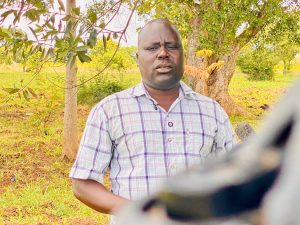
“Last year alone, we cultivated over 6,000 acres collectively. Our revenues amounted to over Shs541m. The tractor has greatly improved our productivity and efficiency,” Angole said.
He noted employment effects beyond farming. “We now have tractor operators and turn men, and many community members earn income through land clearing and weeding services,” he added.
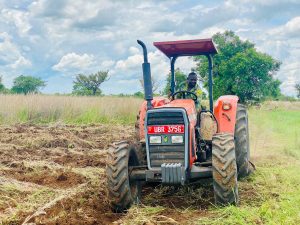
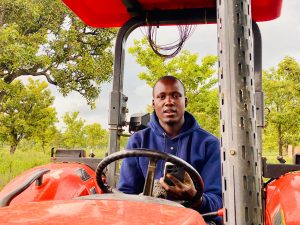
In Amuria district, tractor services are also supporting smallholder farmers and drivers. Okurut Dennis, a tractor driver from Angerepo Village, Aberilla Sub-county, said the machine has provided stable income.
“It helps me take care of my family, especially paying school fees for my children,” he noted.
Farmers at the centre of change
This week, MSC handed over two TAFE tractors, a disc plough, a disc harrow, and a trailer to the Goli Goli Subcounty Groundnuts Growers Association (Kabweri) and Busige Bakuseka Majja Group in Bugolobi, Kampala.
While receiving a tractor from MSC, Sajja Edward, Chairperson of Busige Bakuseka Majja group based in Buyende district, was confident that mechanisation would expand their productive capacity.
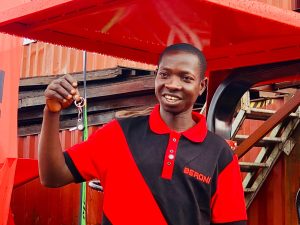
“With the tractor, we expect to cultivate much larger areas of land. This will improve overall output for crops like cassava, maize, and groundnuts,” he said.
Institutional support and long-term sustainability
Private sector supplier Engineering Solutions (U) Ltd (ENGSOL) Sales and Marketing Manager, Med Mwiri, highlighted the depth of the partnership with government agencies. “Our relationship with the Microfinance Support Centre is long and strong—we have worked together for the past ten years,” Mwiri said.
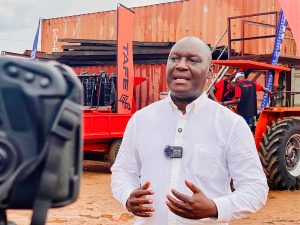
He explained the support package accompanying the machines. “The tractors come with two years of free servicing and a one-year warranty. We also provide training to cooperative members to ensure proper use,” he said.
Cooperatives scaling up production
The ripple effects are also visible in larger cooperative systems such as those in Kibuku and Kumi districts, which serve as production hubs feeding into the wider Eastern Uganda value chain.
Margaret Nakayinga, Chairperson of Goli Goli Subcounty Groundnuts Growers Association based in Kibuku, believes mechanisation will significantly increase efficiency. “Previously, one acre took up to three days using manual labour. With a tractor, we expect to plough more than 10 acres in a single day,” she said.
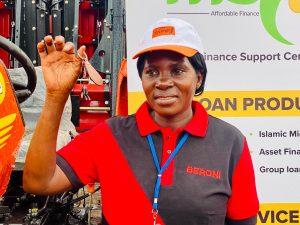
In Kumi District, Olupot Samuel Ibali, Chairperson of Oturukuku Cassava and Rice Processors Cooperative Society, noted exponential growth. “We have expanded from about 1,260 members to over 3,000 members. Previously, one member would cultivate about five acres, but now a member can cultivate up to 20 acres,” he said.
The introduction of tractors is reshaping rural livelihoods, boosting incomes, and redefining agricultural productivity. Early impact is already evident in Eastern Uganda.
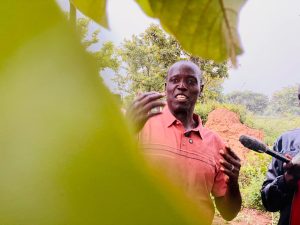
In Katakwi District, Kapujani Fruit Growers Cooperative has leveraged tractor support to mobilise 1,069 members cultivating 562 acres of groundnuts, maize, and sunflower—generating high income and creating employment opportunities. Similarly, Ongogonja Fruit Growers Cooperative, with 501 members, has cleared 411 acres, leading to improved income following mechanisation support.
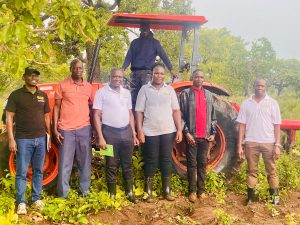
In Kumi District, Oturukuku Rice Growers Cooperative is strengthening rice production across 206 acres, benefiting 1,260 members and generating income—demonstrating the transformative potential of targeted agricultural investment.
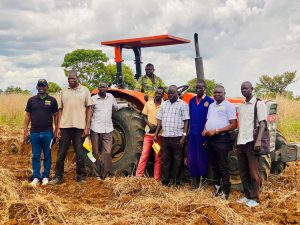
These results underscore the growing impact of the LEGS Project as a catalyst for rural economic transformation—unlocking productivity, enhancing financial inclusion, and positioning community enterprises as engines of sustainable development in Uganda.