


Rwebisengo, Ntoroko — In the fertile lowlands where the Semliki River cuts through the landscape, the sound of progress isn’t found in a factory, but in the steady growth of cattle.
What began as a modest survival strategy for the Bakiga and Banyankole communities has blossomed into a sophisticated economic engine. Through the Banyankole-Bakiga Tumanyane Group, local farmers are proving that with a bit of disciplined savings and the right push from the Microfinance Support Centre (MSC), bull fattening can do much more than put meat on the table—it can build homes, pay for degrees, and provide women with the ultimate luxury: financial independence.
The Banyankole-Bakiga Tumanyane Group, founded in 2018 with just 21 members and Shs 700,000 in share capital, has grown to a thriving association of 41 members engaged in farming, retail businesses, and livestock rearing. Their transformation illustrates the combined power of community savings, access to loans, and disciplined entrepreneurship.
From Personal Struggles to Group Success
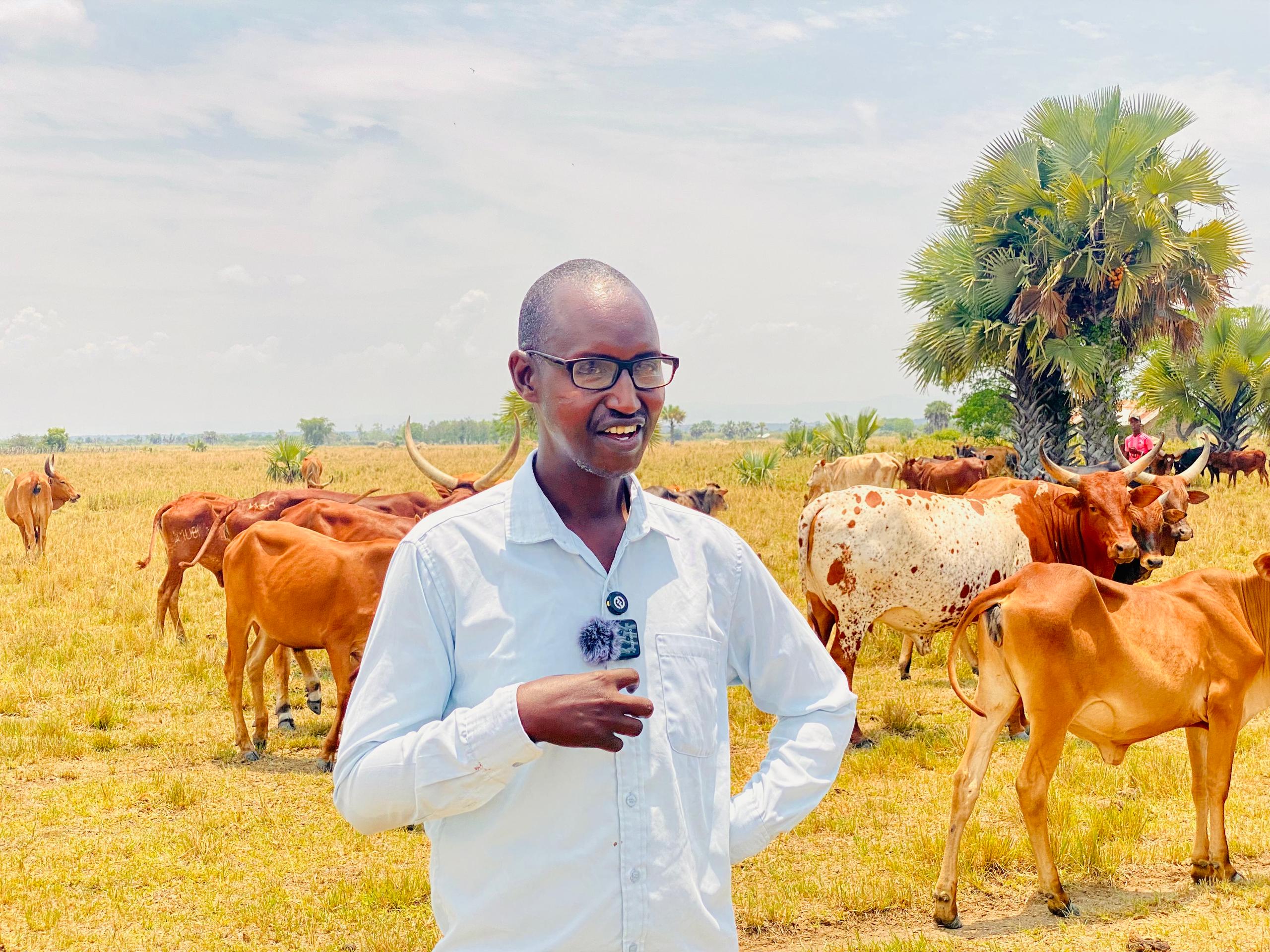
Kazoora Mubi, a seasoned cattle farmer, explained how bull fattening has become his livelihood. “I buy bulls for Shs 1 million, fatten them for three months, and sell them for about Shs 1.5 million,” he said.
He added, “After expenses, I make roughly Shs 400,000 per bull. Around Christmas, the profit is even higher because demand for meat goes up. The buyers come from as far as DR Congo.”
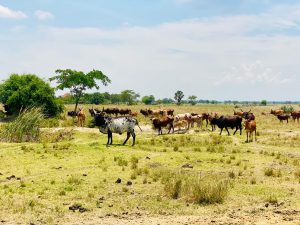
Mubi owns three farms and currently manages 50 bulls, in addition to the six bulls purchased by the group through MSC funding. He relies on controlled grazing and two water dams that remain full even in the dry season.
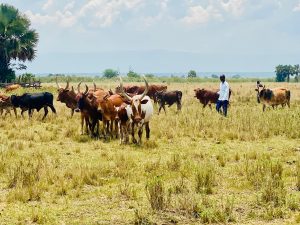
“I started individually, borrowing from Postbank Uganda,” he recalled. “When the group began, I got a Shs 3 million loan in the first phase and bought three bulls. Later, I got Shs 4 million from the Shs 40 million group loan and bought four more bulls.”
Mubi requested that MSC increase funding so it can expand further. He said for this business, land and water access are everything. “It’s all about land, water, and disciplined investment.”
The Local Economic Growth Support (LEGS) Project aims to support farmers and producer groups with financing to increase output and improve farming practices. Building on this success, the programme is set to launch an ambitious $150 million second phase in 2026, expanding its reach to 55 districts to empower farmers, women, and youth by transitioning subsistence agriculture into a sustainable commercial powerhouse.
The Group Behind the Growth
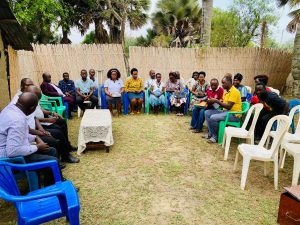
Peace Kanyesigye, chairperson of the group, shared how collective efforts have strengthened the association: “We started with 21 members in 2018 and weekly savings of Shs 250,000. Now, we save Shs 1.2 million every Sunday, totalling nearly Shs 4.8 million a month.”
The overall objective of Component B is to enhance household incomes and livelihoods by expanding access to affordable, Shariah-compliant financial services and supporting value chain development in productive sectors.
“With the first MSC loan of Shs 20 million, we bought six bulls. With the second loan of Shs 40 million, we purchased land and set aside funds for bull maintenance. Our members are now thriving in businesses, retail, and farming,” said Kanyesigye.
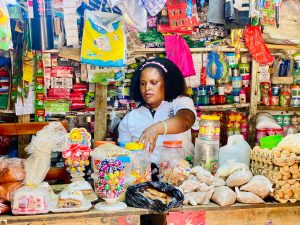
Her husband, Onesmus Tugarukeyo, treasurer of the group and headteacher at Haibare Primary School, says the group has so far saved up to Shs36m.
He emphasised the personal impact of the program: “Before MSC support, our retail business was small — capital of Shs 5 million and profits of Shs 400,000 a month. Now our capital is Shs 40 million, and monthly profits are Shs 600,000–Shs800,000.”
Kanyesigye and Tugarukeyo started their retail shop in 2008. Today, their business has grown in leaps and bounds. At home in Ntungamo district, they have bought land with banana and coffee, constructed a residential house, and reared six cows. “Our children are in good schools, and my wife earns a daily income from our business.”
Empowering Women and Diversifying Income
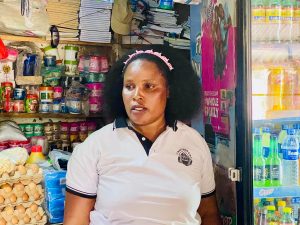
Scondina Niwankunda, a health worker and loan officer for the group, highlighted the opportunities for women: “I received a Shs 2 million loan from MSC and invested it in a mobile money business. I earn Shs 280,000–300,000 per month and am almost done repaying my loan. My side income means I don’t need to rely on my salary or ask my husband for money.”
She added, “The group has also purchased bulls and land; our membership has doubled. I encourage all women to join savings groups and start small businesses — this programme gives us independence.”
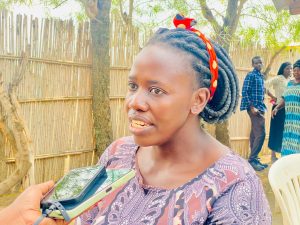
Nestor Kobugabe, 45, chairperson of the Kiringa Twinuke Women Group, also praised MSC support: “We started with 15 members and basic savings. After receiving Shs 10 million from MSC in 2025, our members could borrow to expand businesses.”
Kobugabe borrowed Shs 2.5 million for her clothing shop, paid school fees for her children, and supported her family’s needs. The group is now 21 members strong.
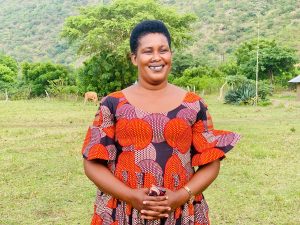
“This support has truly been a turning point for me. It allowed me to expand my inventory just when I needed it most. Beyond the business, the impact at home is what matters—I’m now able to pay my children’s school fees, and my firstborn is even heading to university. We have everything we need at home, and my husband and I are finally building our future together.”
Birungi Devine, secretary of the same women’s group, described how bull fattening and small-scale farming are boosting livelihoods: “I borrowed Shs 2 million and used it to buy cows, graze them, and sell them.”
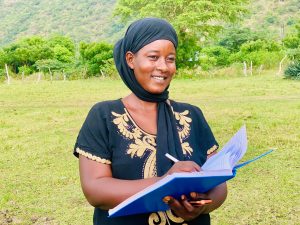
She went on: “I also bought five chicks for Shs 50,000 each, sold them for Shs 25,000 per chick after three months, and invested in three goats. I can now pay for my children’s school fees without depending on my husband. This loan has empowered women like me to manage our own finances.”
District Support and the LEGS Programme
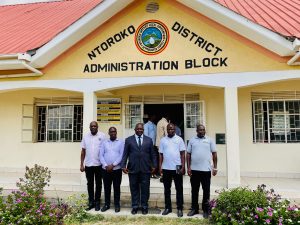
The Chief Administrative Officer (CAO) of Ntoroko District, Abul Moris, said under the LEGS programme, they have funded 48 groups, reaching 1,501 community members directly. In total, the district received Shs 1.6 billion through MSC support.
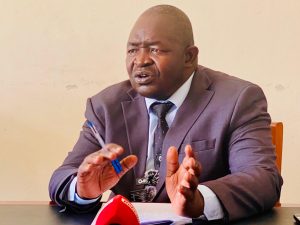
“The programme strengthens savings culture, reduces reliance on banks, and encourages income-generating activities like bull fattening, fish farming, and agro-machinery.”
Moris emphasised the importance of documentation and monitoring: “As LEGS 2 begins, we want to track progress from the start. Empowering groups, ensuring repayment discipline, and developing local enterprises will transform the local economy.”
Lessons and Future Plans
The success of the Banyankole-Bakiga Tumanyane Group illustrates the transformative potential of coordinated microfinance, group savings, and practical entrepreneurship in rural Uganda.
Members now plan to: develop newly acquired land for housing, poultry, and agriculture, acquire additional plots to expand farming and residential capacity and continue investing in bull fattening and other income-generating activities.
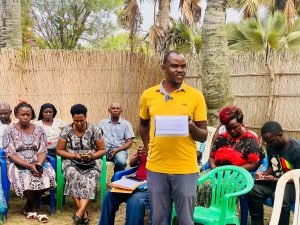
Tugarukeyo summarised the shared vision: “Our group has created opportunities for men and women alike. It’s about community empowerment, economic independence, and hope for the next generation.”
The story of Rwebisengo’s Bakiga and Banyankole communities shows how a low-interest microfinance model, combined with group cohesion and disciplined entrepreneurship, can turn a simple enterprise like bull fattening into a sustainable engine of growth — lifting families out of poverty, educating children, and creating a thriving local economy.
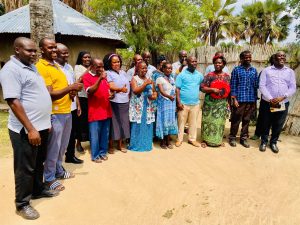
Under the LEGS framework, the Microfinance Support Centre (MSC), working closely with the Ministry of Local Government, is responsible for implementing Component B – Promoting Access to Affordable and Sustainable Rural Finance. The component focuses on strengthening value chains and increasing access to financing for community-based enterprises, cooperatives, and small-scale producers.
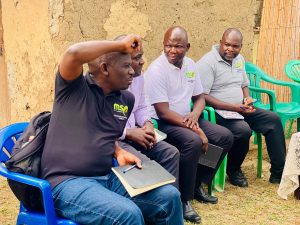
According to Tadeo Atuhura, the Communications Manager at the Microfinance Support Centre, the support extended to groups such as the Banyankole-Bakiga Tumanyane Group is part of the broader financing model based on Islamic or Shariah-compliant financing principles.
“Instead of conventional interest-based lending, the system uses a markup-based model that makes financing more accessible and inclusive for rural communities. At the heart of the programme is the goal of increasing household incomes and employment opportunities,” Atuhura said.
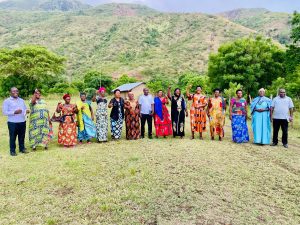
The project is funded by the Islamic Development Bank, with a financing envelope of USD 10.43 million allocated to Component B. The project was declared effective on 20 May 2019, with implementation commencing in Financial Year 2019/2020.