



KAMPALA — The cost of living in Uganda rose more slowly in February 2026 compared to January 2026, according to the latest figures released by the Uganda Bureau of Statistics (UBOS).
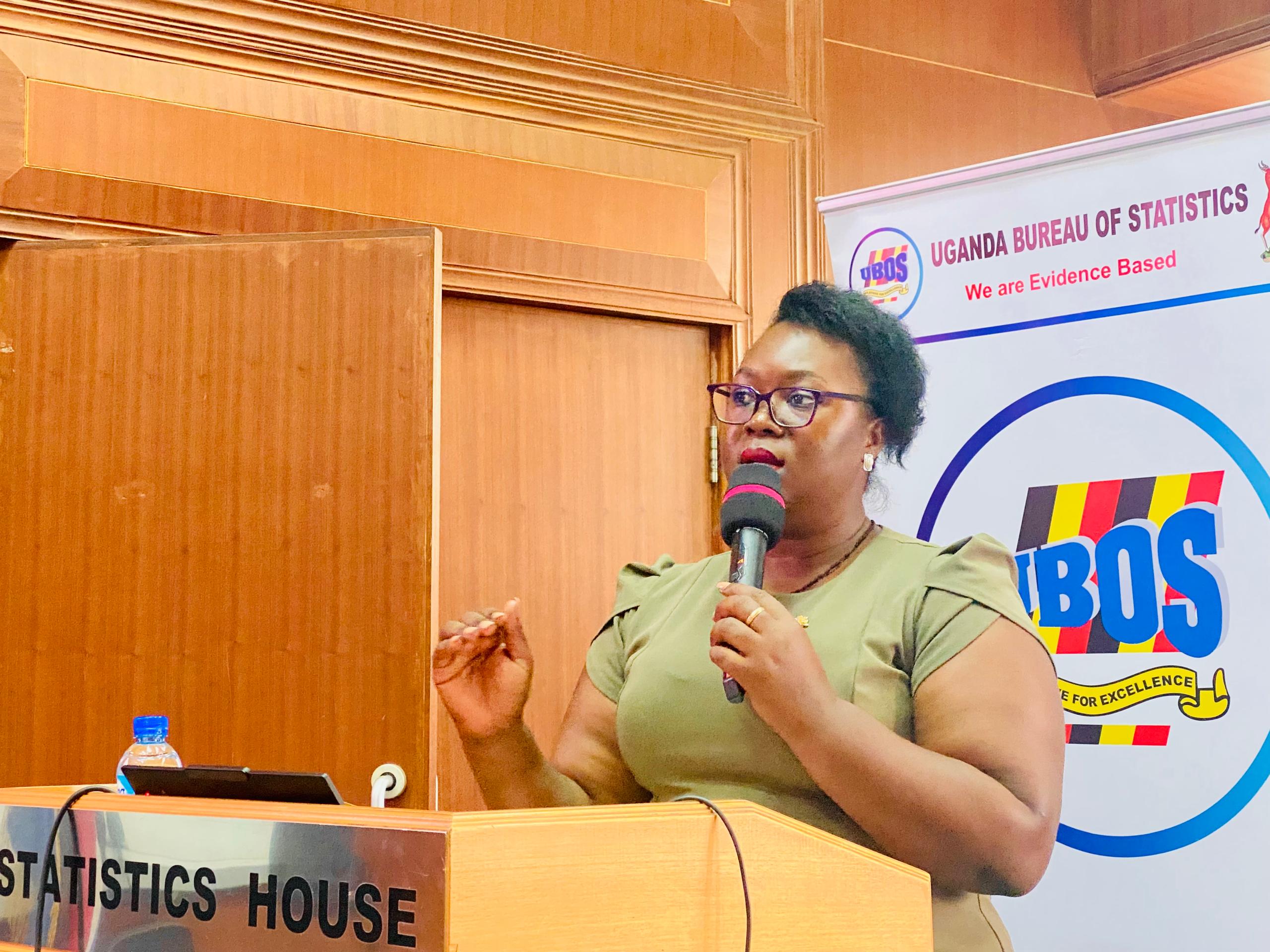
While addressing the press in the UBOS Conference Hall at Statistics House in Kampala on Friday, Juliet Nakayenga, a Principal Statistician at UBOS, said inflation is now under control compared to earlier months.
Inflation Falls to 2.9%
The report shows that annual inflation — which measures how prices change over 12 months — dropped to 2.9% in February 2026, down from 3.2% in January 2026.
In simple terms, this means prices of many everyday goods and services rose more slowly than before.
The government measures inflation using the Consumer Price Index (CPI), which tracks the price of items people usually buy, such as food, transport, fuel, and school services.
What Reduced Inflation?
UBOS said inflation slowed mainly because prices of some services and food items increased more slowly.
Annual core inflation, which measures price changes in basic goods excluding volatile items like food and fuel, fell to 3.0% from 3.3% in January.
Services inflation also slowed to 4.1%, down from 4.8%, mainly because of cheaper air passenger transport and slower increases in health service charges.
Passenger air transport inflation dropped sharply to 0.5% from 8.8%, while health service inflation fell to 2.8% from 3.8%.
Food Prices Improved
Food prices were relatively stable during the period. Inflation for food crops and related items dropped to 1.8% from 3.0%.

UBOS said prices of some vegetables and staple foods either fell or rose more slowly.
For example, tomato prices fell more compared to the previous month. Prices of fresh beans and leafy vegetables also reduced slightly. However, prices of maize flour, bread, and dried fish rose.
Fuel and Energy Prices Increased
Unlike food prices, energy costs went up. Inflation in the energy, fuel and utilities sector rose to 2.7% from 1.7%.
Petrol prices increased by about 3.4%, diesel by 0.8%, while charcoal and firewood also became more expensive.
This means households that depend on cooking fuel may have felt the pressure.
Monthly Inflation Stayed the Same
On a month-to-month basis, inflation in February 2026 was 0.3%, the same as in January.
UBOS explained that small increases were seen in food, education services, housing utilities, and clothing.
Transport prices, however, reduced slightly.
Price Changes for Common Products
The report showed average retail prices of some items: Maize flour — about Shs 2,718 per kilogram, Smoked tilapia — about Shs 40,894 per kilogram, Fresh tilapia — about Shs 16,768 per kilogram, Beef — about Shs 17,529 per kilogram, Petrol — about Shs 5,130 per litre and Diesel — about Shs 4,739 per litre.
Some food items like tomatoes and green cabbage became cheaper compared to earlier months.
Regional Inflation Differences
Inflation was highest in Masaka, followed by Kampala high-income areas.
The lowest inflation was recorded in Arua, where food and beverage prices remained relatively stable.
What This Means
Economists say lower inflation is generally good because it helps people maintain purchasing power. However, rising fuel and energy costs may continue to affect transport and household expenses.