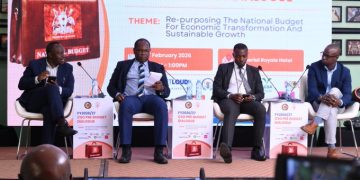



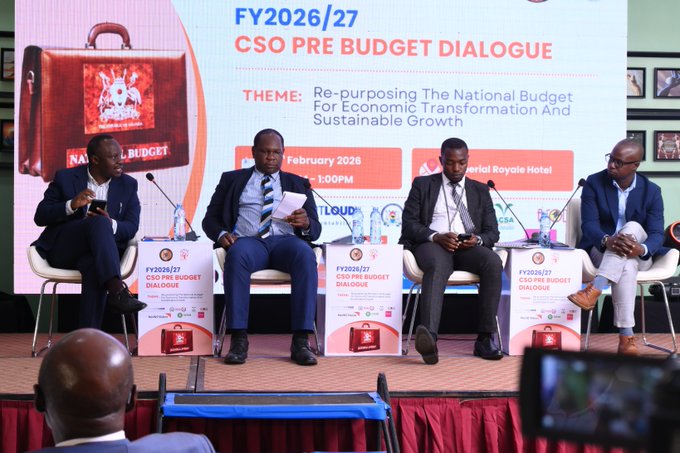
Civil society organisations, economic experts, and government officials convened at the 41st CSO Pre-Budget Dialogue under the theme “Repurposing the Budget for Economic Transformation & Sustainable Growth”, emphasising the need to prioritise human capital, industrialisation, and fiscal discipline in the upcoming 2026–27 budget.
Welcoming participants, Ms Irene Kagoya, Associate Director of Advocacy at World Vision Uganda, highlighted the centrality of people in Uganda’s growth ambitions. “To realise a $500 billion economy, we must invest where it matters most – in people,” she said.
“For 40 years, World Vision Uganda has walked with vulnerable communities. 12 million Ugandans lack basic water access. Millions more lack safely managed sanitation. Human capital begins with dignity — water, sanitation, health.”
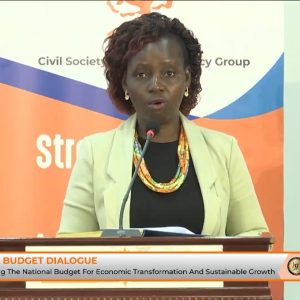
Ms Kagoya pointed to government priorities under NDP IV and the 10-Fold Growth Strategy, noting that these frameworks place people and productivity at the centre of Uganda’s development agenda.
Dr Fred Muhumuza, Director at the MUBS Economic Forum, addressed the structural challenges within Uganda’s national budget. “Repurposing the budget requires restructuring because the budget is already tight. This is a structural issue, not just numbers,” he said.
He added that a 10% depreciation in the exchange rate could increase public expenditure by Shs 1.3 trillion, offsetting revenue gains of Shs 275 billion.
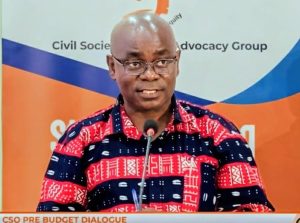
Dr Muhumuza stressed that industrialisation must be centralised at the Ministry of Finance, Planning and Economic Development (MoFPED) for coordinated growth. “Flexible budgeting, high-interest rates, and debt refinancing are constraining private investment, while decentralised energy solutions could support industrial growth and reduce fiscal strain.”
Representing the Permanent Secretary, Secretary to the Treasury (PSST), Mr Ali Tagole shared the government’s fiscal outlook, noting a projected economic growth of 6.5–7.5% by the end of the 2025/26 financial year. “The centre of our economy is projected to increase to UGX 249.43 trillion by June,” he said, adding that inflation remained stable at 3.1% between November and December 2025.
Tagole further outlined the 2026–27 budget priorities, which total UGX 7.2 trillion, with domestic revenue projected at UGX 41.5 trillion and annual investments of UGX 4.3 trillion. “Budget support and domestic borrowing have been reduced to free resources for productive interventions. This budget aims to strengthen human capital, productivity, and wealth creation while promoting accountability, strategic investment, and sustainable growth,” he said.
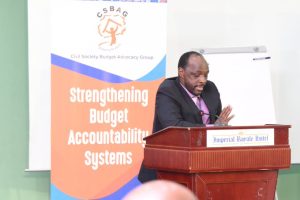
Addressing fiscal deficits, Paul Lakuma, tax policy advisor at MoFPED, emphasised domestic resource mobilisation and tax reform. “For a more effective tax system, the structure needs improvement, shifting focus from national taxes to local government taxes and rebalancing indirect consumption with direct taxes. Leveraging technology in tax administration and ensuring stable, redistributive, and progressive policies are crucial. Frequent policy changes negatively impact the investment environment,” he said.
Experts also recommended reforms in parliamentary expenditure. Dr Arthur Bainomugisha, Executive Director at ACODE Uganda, suggested reducing the number of Members of Parliament and reinstating taxation on their allowances.
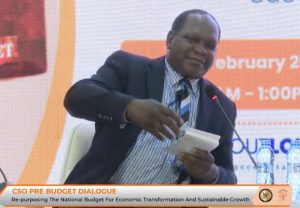
“In this country, we need serious calls on reducing MPs as part of lowering parliamentary business costs. MPs must pay some tax. Let’s reinstate MPs’ payment of income tax, as they are currently exempted,” he said.
Similarly, Robert Mbazira, Associate Director for Business Tax Advisory at EY, argued that Uganda urgently needs to widen the tax base rather than introduce new taxes. “Poor implementation and delays are hurting business and economic growth,” he said.
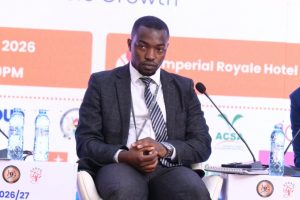
Dr Yusuf Serunkuma, a columnist at The Observer, emphasised the government’s role as a growth enabler: “Uganda needs a government that provides credit, supports business expansion, and runs ventures strategically instead of relying solely on taxes. For example, Tanzania’s government-run buses generate revenue while meeting public needs. Uganda can emulate that model.”
Local revenue mobilisation was highlighted by Adam Babaale, Secretary at the Local Government Finance Commission (LGFC). He said poor enforcement of park user fees and market rents has led to revenue gaps, urging reforms to ensure direct payments to local governments.
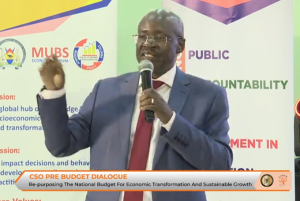
“Properly managed markets can generate significant income, while organised boda boda collections could raise UGX 300 billion annually. Professionalising local revenue administration is essential,” Babaale said.
Dr Bainomugisha also stressed the importance of investing in education and SMEs. “Human capital is our greatest resource. Investments in education, curriculum implementation, practical skills, and university funding remain low, yet these are the centres of knowledge driving innovation and productivity. Supporting SMEs is key; the government needs to provide affordable capital, formalisation support, and skills development. Empowering smaller businesses today creates sustainable, tax-paying enterprises tomorrow,” he said.
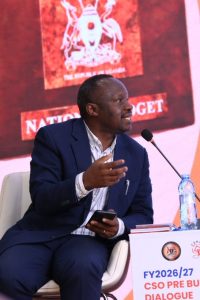
Finally, speakers called for disciplined, strategic use of Uganda’s budget. “Uganda’s budget is misaligned: some sectors are overfunded with low impact, while high-potential areas like agriculture remain underfunded. Prioritisation must focus on sectors that deliver growth and return on investment,” said Dr Bainomugisha.
In closing, Julius Mukunda, Executive Director at CSBAG, thanked stakeholders for their contributions and urged continuous monitoring of the budget process as Parliament begins debating the UGX 78 trillion 2026–27 budget.
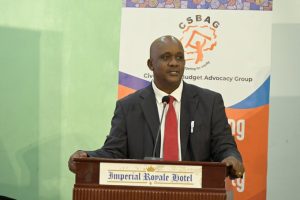
“Budget reforms must force focus on structures, fiscal space must be created through product structuring, and economic transformation requires difficult decisions,” he said.
The dialogue, held at Imperial Royal Hotel in Kampala on Thursday, underscored the need for collaborative action between government, civil society, and private stakeholders to ensure that Uganda’s 2026–27 budget strengthens human capital, productivity, and sustainable economic growth.