



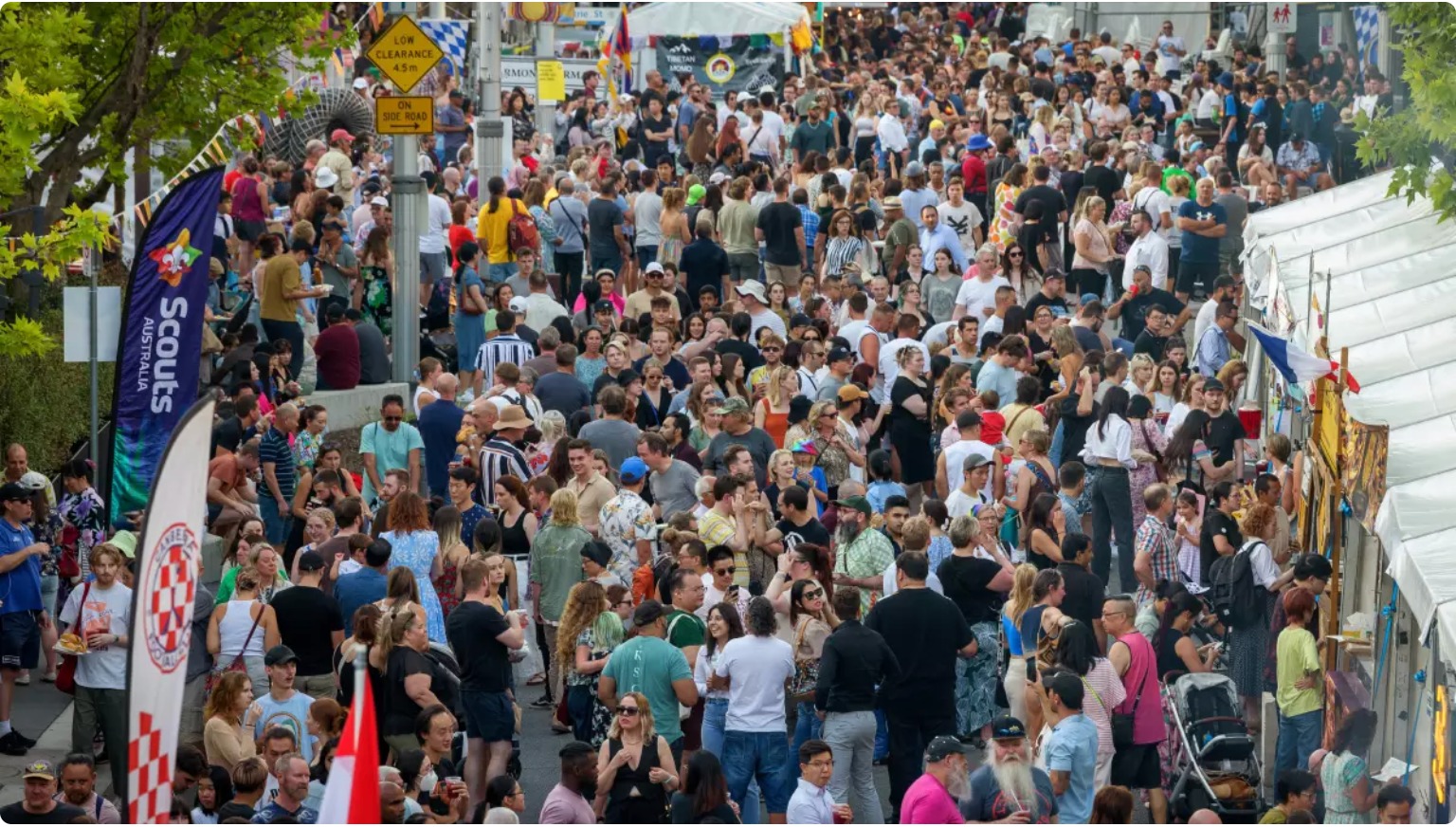
Cultural festivals often sit at the intersection of curiosity and connection. They are not designed as tourism campaigns, yet they frequently perform the work of one.
By engaging the senses, taste, sound, movement, story, they reduce psychological distance between people and places that may otherwise feel remote or abstract.
In a country like Australia, where international travel is long-haul by default, that psychological distance matters.
Research consistently shows that people are far more likely to visit destinations they feel emotionally familiar with. Cultural festivals, then, become powerful pre-tourism experiences, soft entry points into countries that brochures alone cannot animate.
At the Multicultural Festival in Canberra, Uganda often becomes one of those entry points.
Encounter before intention. For many Australians, their first meaningful encounter with Uganda does not come through travel advertising or geography lessons.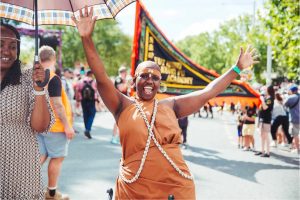
It comes through conversation. A child asking why a drum sounds different. A parent listening as a Ugandan community member explains where the food comes from.
A passer-by realising that the people in front of them speak English fluently, laugh easily, and describe a country that feels unexpectedly relatable.
These moments are small, but cumulative. They challenge assumptions and replace distance with familiarity.
One festival attendee put it simply:
“I didn’t know much about Uganda before. Now I want to see it for myself.”
This shift, from awareness to intention,is well documented.
According to the United Nations World Tourism Organization, cultural familiarity significantly increases the likelihood of travel, particularly for long-haul destinations.
When people feel they already “know” a place through its people, the idea of visiting becomes less daunting and more desirable.
Culture as a preview, not a performance. What Uganda presents at the festival is not a polished tourism pitch.
It is something more persuasive: coherence. Culture appears not as a costume, but as a way of being,confident, grounded, and open.
Tiisa Mugwanya Susan explains,“When Australians meet Ugandans, they realise Uganda is not distant, it’s familiar. The warmth they experience here is the same warmth they will find when they arrive.”
This sense of familiarity is reinforced by practical realities. Uganda is an English-speaking country, politically stable, and regionally connected within East Africa. Its people-centred culture translates easily across borders.
A destination of rare diversity
Uganda’s tourism appeal lies in its diverse tourism attractions.
This ecological and cultural diversity positions Uganda as one of Africa’s most varied destinations, often described as a place where multiple African experiences coexist in a single journey.
Tourism already plays a significant role in the national economy. According to the World Bank, tourism contributes approximately 7.7% of Uganda’s GDP and has been prioritised as a pillar for sustainable and inclusive growth.
From festival ground to flight booking
What cultural festivals do well is compress the decision-making journey.
They move people from unfamiliarity to emotional connection in a single afternoon. By the time practical considerations arise, safety, language, accessibility, many of the psychological barriers have already fallen away.
For Australia, festivals like Canberra’s become informal gateways to global engagement. For Uganda, they are an opportunity to be encountered as it truly is: open, human, and compelling.