


Kampala — The cost of living in Uganda slightly increased in January 2026, with annual inflation rising to 3.2 percent, up from 3.1 percent in December 2025, according to the Uganda Bureau of Statistics (UBOS).
Inflation measures how fast prices of common goods and services increase over time.
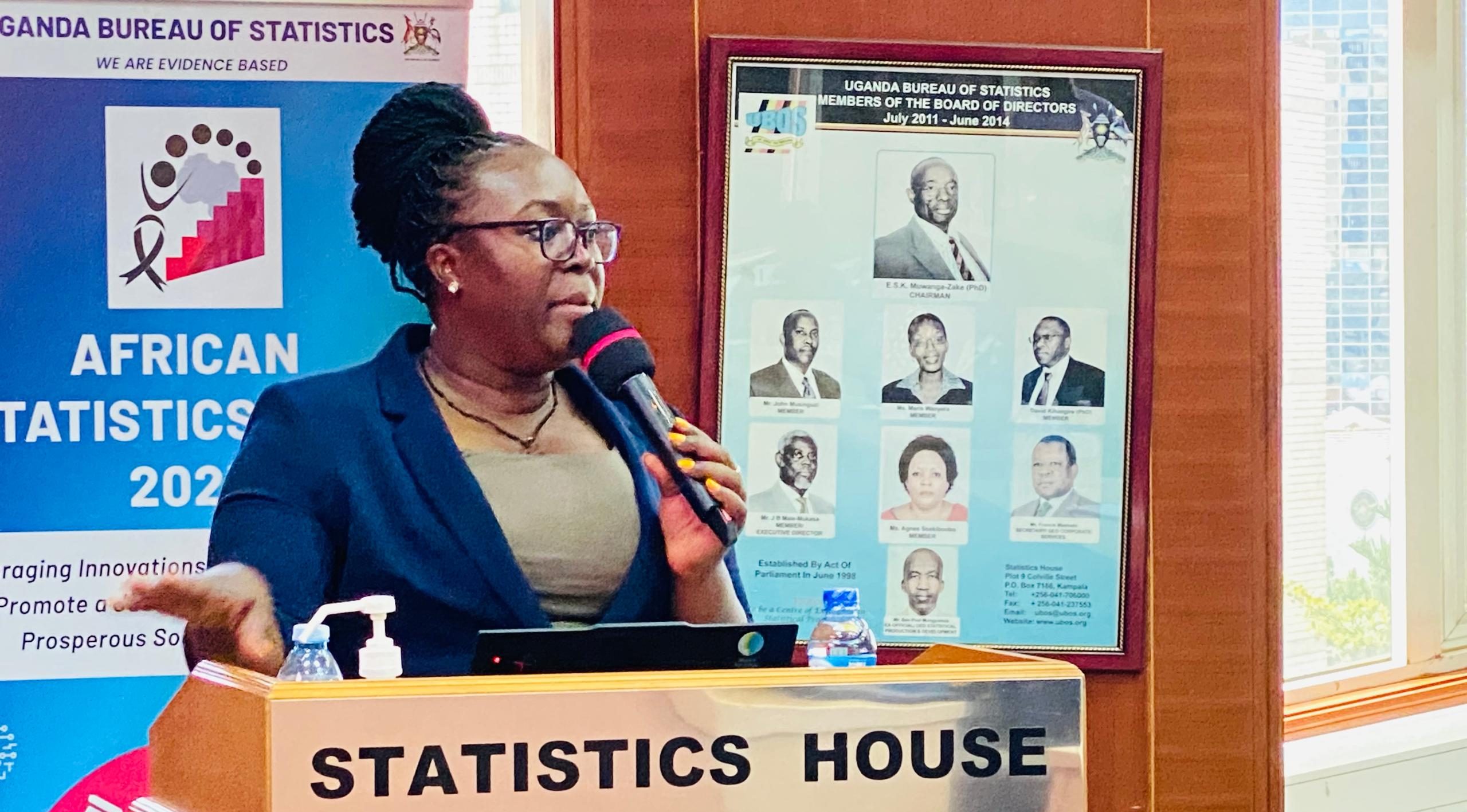
Presenting the latest inflation figures at Statistics House in Kampala on Friday, UBOS Principal Statistician for Price Statistics, Juliet Nakayenga, said the increase was mainly driven by higher costs of transport, services, and utilities.
She explained that prices of services such as air transport, road transport, refuse collection, insurance, and financial services went up in January, pushing overall inflation slightly higher.
“Annual services inflation rose to 4.8 percent in January 2026 from 4.0 percent in December 2025, largely due to higher transport and refuse collection charges,” Nakayenga said.
In particular, air transport prices increased sharply, rising by 8.8 percent compared to 1.2 percent in December, while refuse collection charges rose to 126.8 percent.
However, there was some relief for households as food prices increased more slowly than before. Inflation for food crops and related items fell to 3.0 percent in January from 4.4 percent in December.
UBOS attributed this drop to falling prices of common food items such as matoke, tomatoes, sweet potatoes, and beans.
For example, matoke prices dropped by 4.5 percent, while tomato prices fell by 10.1 percent over the year.
Energy, fuel, and utilities inflation slightly increased to 1.7 percent from 1.4 percent, mainly due to rising firewood prices, although electricity charges continued to decline.
On a month-to-month basis, inflation slowed. Monthly inflation for January stood at 0.3 percent, down from 0.5 percent in December. This was largely because prices of food crops fell during the month.
According to UBOS data, Kampala high-income areas and Masaka recorded the highest inflation at 4.0 percent, while Arua registered the lowest inflation at 1.3 percent, mainly due to lower food prices.
Commenting on the figures, UBOS Executive Director and Chief Statistician Dr Chris Mukiza said the inflation rate remains moderate and manageable.
The latest data shows that while some everyday costs, such as transport and services, are rising, stable food prices are helping to cushion Ugandans from sharp increases in the cost of living.
UBOS said it will continue to monitor price movements to guide government planning and help the public understand changes in the economy.