Mulago National Referral Hospital has embarked on a major rehabilitation and upgrading project aimed at modernising key hospital infrastructure and enhancing patient care.
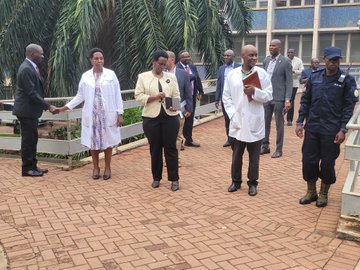
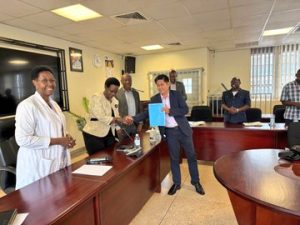
The project, worth 14.99 billion shillings, was officially handed over to Roko Construction Limited by the Permanent Secretary of the Uganda Ministry of Health, Dr Diana Atwine.
The 18-month project will include a facelift of the Engineering Department, waste holding bay, medical gases, plumbing, air conditioning, electrical installations, and ICT systems.
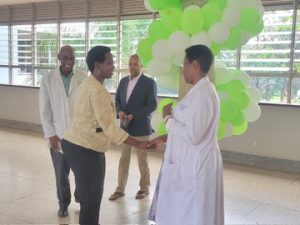
Dr Atwine urged the contractor to demonstrate “extreme commitment,” emphasising that delays could affect patient care. “We shall not tolerate anything beyond 18 months; let there be more focused performance to have results & works completed in time,” she said.
The project will be executed in phases to minimise disruptions to hospital operations, which continue to experience an increasing number of patients at government facilities.
Mulago, Uganda’s National Referral Hospital, provides specialised services in paediatrics, internal medicine, surgery, and diagnostics, and has a total bed capacity of 1,700, split between Lower Mulago (950 beds) and Upper Mulago (750 beds).
New Cardiac MRI Services
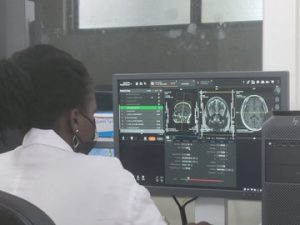
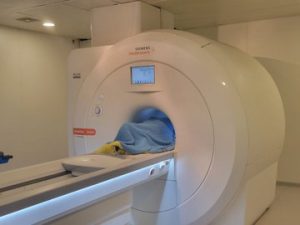
Earlier this year, Mulago began performing Uganda’s first Cardiac MRI scans, in collaboration with the Uganda Heart Institute. The state-of-the-art service is expected to save Ugandans significant costs previously incurred while accessing cardiac testing abroad.
Sickle Cell Services Expanding
Mulago continues to provide care for patients with Sickle Cell Disease (SCD) at the Old Mulago clinic, which sees over 100 patients daily, including both adults and children. SCD is a lifelong genetic blood disorder in which red blood cells become sickle-shaped due to a faulty form of haemoglobin.
Treatments include pain relief, hydration, blood transfusions, and emerging gene therapies, with curative options such as bone marrow transplants for eligible patients.
The hospital’s expansion and modernisation efforts signal a commitment to improving access to specialised healthcare services while enhancing patient outcomes in Uganda.