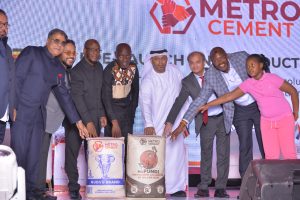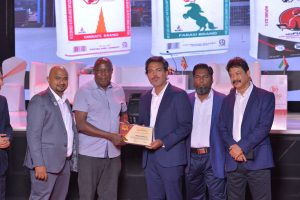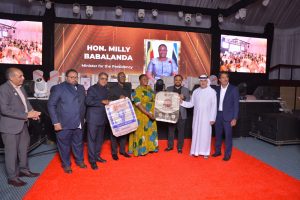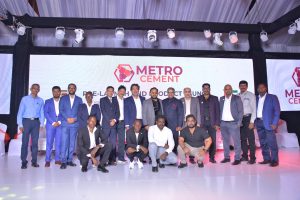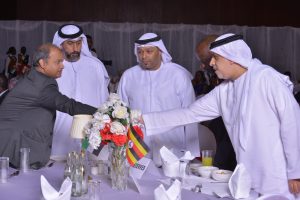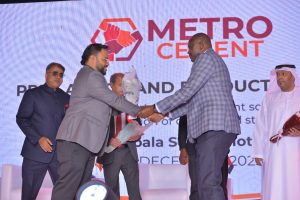



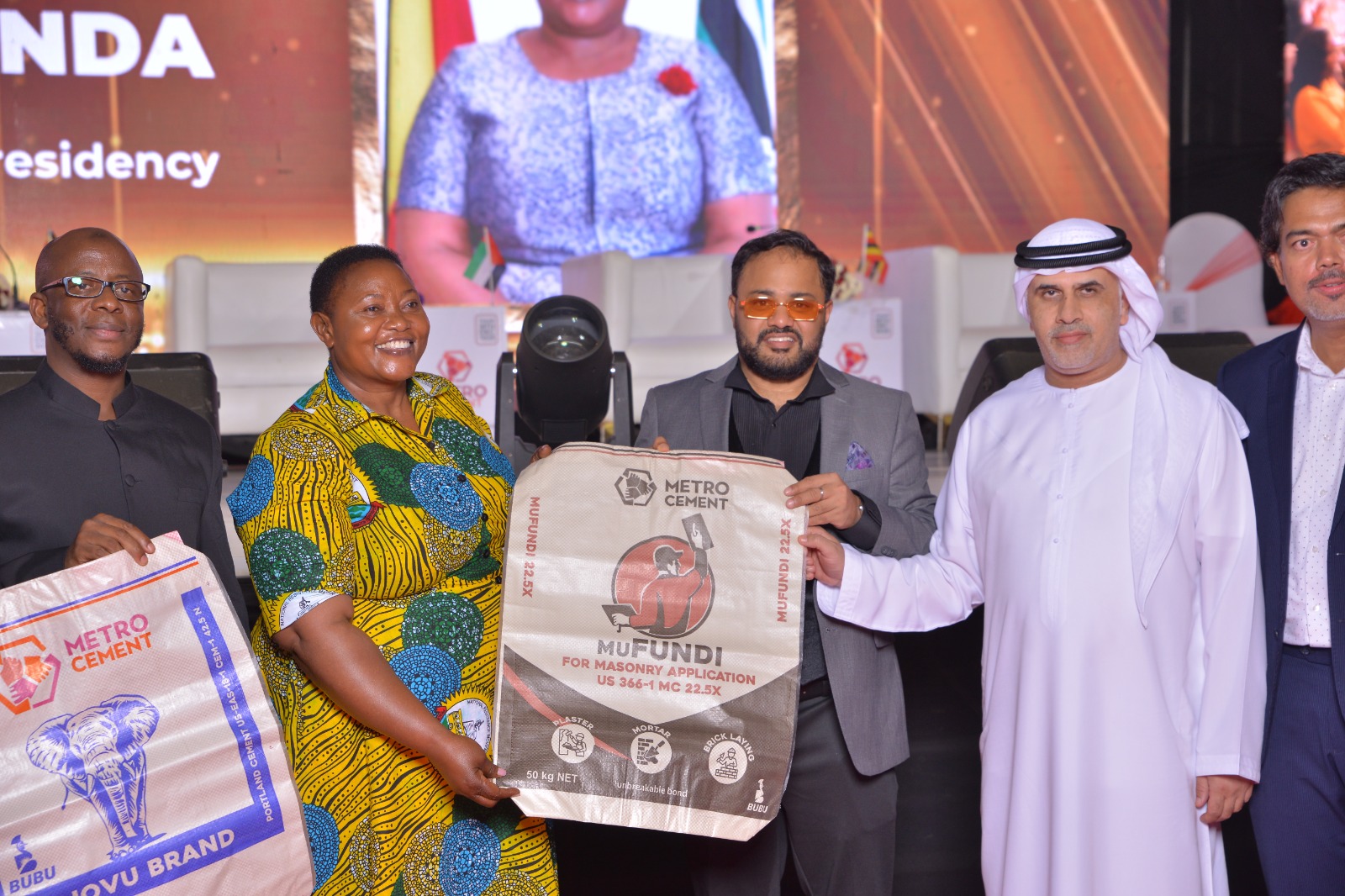
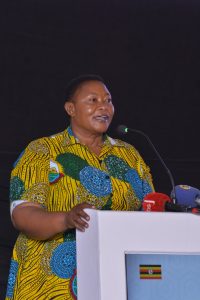
The Minister for the Presidency, Hon. Milly Babirye Babalanda, on Thursday presided over the Metro Cement product launch held at the Serena Hotel in Kampala, praising investors for their growing confidence in Uganda and crediting President Yoweri Kaguta Museveni for creating a stable and enabling environment for business.
Speaking at the high-profile event attended by diplomats, government officials and private sector leaders, Babalanda said Uganda’s consistent peace and pro-investment policies were paying dividends.
“The confidence investors continue to show in Uganda is a direct result of the leadership and vision of H.E. President Yoweri Kaguta Museveni, who has ensured stability and an enabling environment for investment,” Babalanda said.
The launch marked the soft unveiling of Metro Cement’s expanded production line, part of a broader strategy to boost local manufacturing capacity and support Uganda’s infrastructure and housing sectors.
Advanced technology, local focus
Metro Cement executives said the expanded plant had been custom-designed for Ugandan raw materials and operating conditions.
Group Director Shamil Razack noted that advanced milling systems, automated PLC and SCADA controls, and modern packing technology would guarantee high-quality cement and faster loading times. “This investment is about quality, efficiency and supporting Uganda’s development agenda,” Razack said.
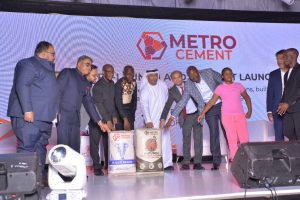
Metro Cement Chairman Nowfu Hameed reaffirmed the company’s long-term commitment to Uganda and the wider region. “In this country and across Africa, we have many plans. Inshallah, we shall continue working together to build a better future for Uganda and the region,” Hameed said.
Metro Cement’s CEO, Mohamed Ameer, emphasised the company’s focus on high-quality cement production for the Ugandan market, leveraging over two decades of experience in the UAE and Africa.
“We started in 2019, producing cement primarily for the Ugandan market. Metro Cement is based in Dubai and brings over two decades of experience operating cement factories in the UAE and other parts of Africa,” noted Ameer.
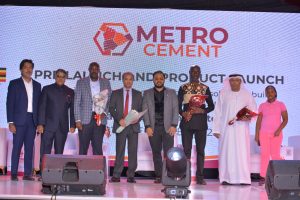
He added, “Housing in Uganda drives the major demand for cement, as most Ugandans focus on construction. With the country opening up to foreign projects and accompanying infrastructure development, cement consumption is expected to rise.”
UAE–Uganda investment ties deepen
Uganda’s Ambassador to the United Arab Emirates, Zaake Wanume Kibedi, highlighted the growing strength of economic ties between Uganda and the UAE, noting a sharp rise in foreign direct investment over the past few years.
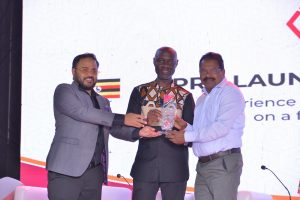
“When I reported to the UAE in 2018, foreign direct investment from the UAE to Uganda stood at about USD 300 million. Today, it has grown to USD 3.5 billion,” Ambassador Kibedi said. “This would not have been possible without companies like Metro Cement and the strong working relationship between our two embassies.”
Kibedi attributed the growth to deliberate engagement platforms such as the annual Uganda–UAE Business Forum, launched in 2017, which he said had helped connect investors and promote Uganda as a competitive destination.
“I visited the factory and found many Ugandans working there. With the expansion, the workforce is expected to triple. That is the real impact of industrialisation,” he added.
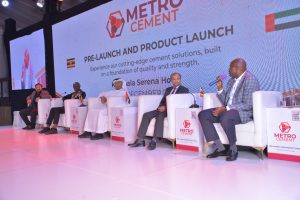
He further revealed that the UAE had, for the first time, become Uganda’s leading export destination. “Last year, Uganda exported goods worth USD 1.3 billion to the UAE, and since September this year, the UAE has been Uganda’s number one export destination. This shows the power of structured engagement with investors,” Kibedi said.
UIA pledges continued support
The Director General of the Uganda Investment Authority (UIA), Robert Mukiza, commended Metro Cement for the scale and speed of its investment, assuring investors of continued government support.
“Our job as government is to break bureaucracy and allow investors to do what they do best—create jobs, bring in foreign exchange and grow the economy,” Mukiza said.
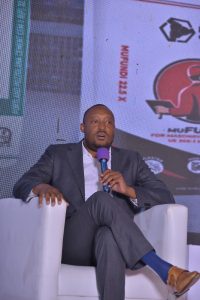
Using what he termed the “duck analogy,” Mukiza explained that while investors may appear to operate smoothly, government agencies work tirelessly behind the scenes to resolve challenges. “If you need licences, work permits, tax support or standards certification, come to the One Stop Centre. Government should be running around to support investors, not the other way around,” he said.
Mukiza encouraged Metro Cement to view Uganda not just as a domestic market but as a strategic hub for regional expansion. “Do not think of Uganda as a market of 45 million people. Think of East Africa’s 300 million and COMESA’s 600 million people. Uganda is the right anchor for serving Africa,” he added.
Business community backs local manufacturing
Businessman Hajji Suleiman Mafabi Lumolo, Executive Director of Kampala Modernity Car Dealership and Chairman of Sumo Gold, praised Metro Cement’s leadership and called for stronger support of local manufacturers.
“Our country will grow when we support local industries, buy locally produced cement and pay taxes. That is how Uganda develops,” Lumolo said. He urged investors to remain committed to Uganda, citing the country’s stability and long-term growth potential.
Commitment to sustainability
The Executive Director of the National Environment Management Authority (NEMA), Dr Barirega Akankwasah, assured Metro Cement of regulatory support, provided environmental standards are upheld.
“Any investment that helps us transition from a peasant and trade-based economy to a middle-income society by 2040 is welcome,” Akankwasah said. “We will support you to ensure sustainable and environmentally responsible manufacturing.”
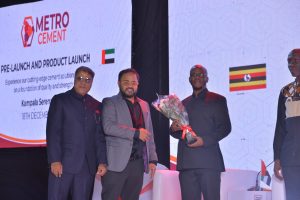
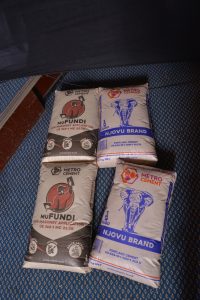
Metro Cement, based in Mbale and backed by Dubai-based investors, entered the Ugandan market in 2019. The company produces several cement brands tailored for construction and infrastructure projects and plans an official factory launch in Mbale in the coming months.