


The Ministry of Finance, Planning and Economic Development has reaffirmed the central role of Microfinance Institutions (MFIs) and Savings and Credit Cooperatives (SACCOs) in advancing Uganda’s economic transformation, highlighting their contribution to wealth creation, financial inclusion, and community resilience.
This message was delivered on Friday by the Director of Economic Affairs, Moses Kaggwa, who represented Finance Minister Matia Kasaija at the 3rd Annual Microfinance & SACCOs Governance Forum held at Hotel Africana in Kampala.
Speaking on behalf of the Minister, Kaggwa said MFIs and SACCOs continue to play an indispensable role in promoting economic growth, especially in developing economies where access to formal financial services remains limited.
“Microfinance Institutions and SACCOs are crucial in promoting economic development and wealth creation, particularly in developing economies,” the Minister said. “Their dual focus on wealth creation and consumer protection helps build resilient communities.”
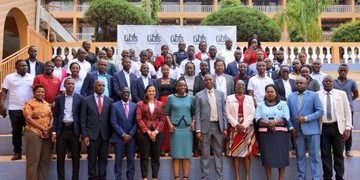
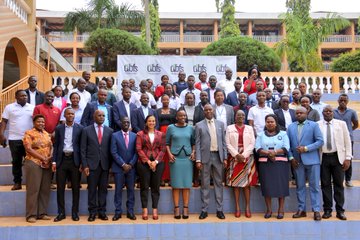
The forum, organised under the theme “The Role of Microfinance Institutions and SACCOs in Wealth Creation,” brought together sector leaders, policymakers, financial experts and cooperative representatives to reflect on governance, digital transformation, and inclusive finance.
Kasaija commended the leadership of the Uganda Institute of Banking and Financial Services (UIBFS) for convening what he described as a “noble initiative,” providing a platform for the microfinance and SACCOs sector to address pressing governance and operational challenges.
Digital Transformation a Must
The Minister stressed that digital transformation is no longer optional for financial institutions seeking to remain relevant and efficient in the modern economy.
“Digital transformation is no longer a choice,” he said, adding that the adoption of digital channels is essential for institutions to enhance service delivery and strengthen internal systems.
He pointed to the progress Uganda has made in digitising public finance management systems, including the Integrated Financial Management System (IFMS) and e-Government Procurement (eGP).
Kasaija highlighted that the operations of Parish Development Model (PDM) SACCOs have now been fully digitised to ensure transparent and timely transfer of government funds directly from the national treasury to beneficiaries.
Driving Entrepreneurship and Household Incomes
The Minister noted that access to affordable credit remains one of the strongest pillars of economic empowerment. Through SACCOs and MFIs, many Ugandans—especially those in rural and peri-urban areas—have been able to invest in micro and small enterprises.
“By providing access to credit, MFIs and SACCOs enable entrepreneurs to invest in income-generating activities. This leads to job creation and increased household incomes, contributing to overall economic growth,” he said.
Financial Inclusion on the Rise
Kasaija revealed that Uganda has continued to register significant gains in formal financial inclusion. According to the latest data, 81% of adults are now formally included in the financial sector, up from 77% in 2018.
By mid-2024, Uganda had 43.4 million registered mobile money accounts, reflecting the rapid uptake of financial technology and digital payments across the country.
Experts at the forum underscored the importance of strengthening governance structures within SACCOs and MFIs to ensure sustainability, protect members’ savings, and build trust in the sector.
The annual governance forum continues to serve as a critical platform for shaping policy, enhancing professional standards, and charting a path for a more inclusive and resilient financial services ecosystem—one that supports Uganda’s broader vision of socio-economic transformation.