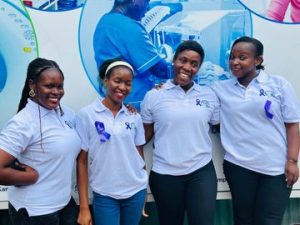
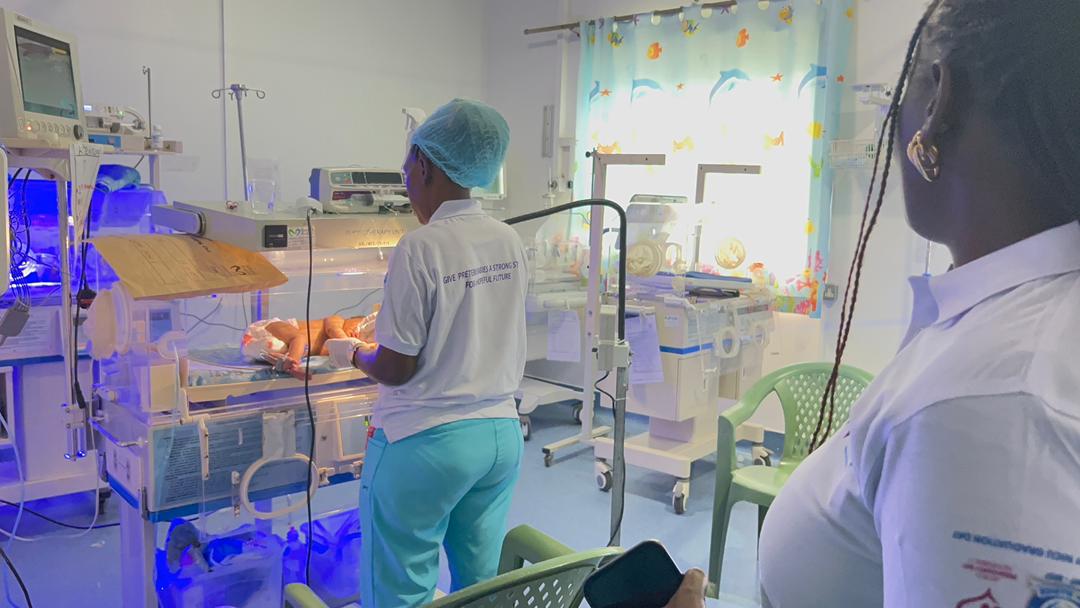
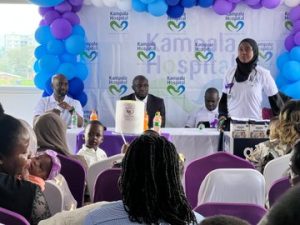
Kampala Hospital on Monday joined the global community in marking World Prematurity Day, shining a spotlight on Uganda’s rising burden of premature births and the urgent need for stronger health systems, specialised training, and sustainable financing for neonatal care.
The day—celebrated under the theme “Premature: A Hopeful Beginning, A Hopeful Future”—brought together paediatricians, neonatologists, senior medical consultants, parents, and hospital leadership to honour preterm babies and recognise the challenges facing neonatal care in Uganda.
“Every preterm baby is a miracle of hope and care”
Kampala Hospital CEO Dr Peter Kibuuka, a Consultant Obstetrician and Gynaecologist with over 20 years of experience, emphasised that improving newborn outcomes must begin long before delivery.
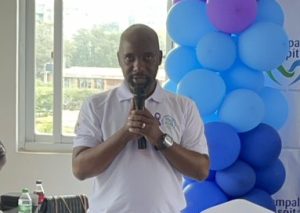
“It begins right from conception,” Dr Kibuuka said. “From the drugs we give the mother to ensuring the baby is delivered on time, careful monitoring of the mother’s health is critical.”
He stressed that early detection of risk factors, proper nutrition, and managing maternal conditions like hypertension are crucial to preventing premature births. But for babies who are born early, he said, “a new journey begins.”
Prematurity remains one of Uganda’s biggest health challenges. Historically, babies born before 28 weeks were considered non-viable due to the lack of technology. Yet globally—especially in South Africa, the UK, and the US—babies born as early as 22 weeks are now surviving.
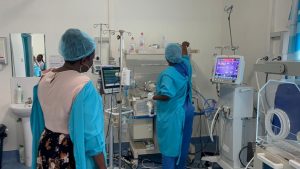
Dr Kibuuka said the difference is largely due to training and human resource capacity. “It’s a human resource issue,” he noted. “No matter how much technology we have, if the medical staff are not trained or exposed to handling extremely premature babies, the technology won’t be effective.”
He pointed out that while Uganda has introduced pediatric nursing courses, these remain limited—particularly in rural areas where the need is greatest.
High Costs, Limited Supplies, and Technology Gaps
Dr Kibuuka also highlighted the steep costs of neonatal care and major gaps in medical supplies. “For example, surfactant — a drug that helps premature babies breathe — costs about one million shillings per dose,” he said. “Even when funds are available, it’s often out of stock nationwide.”
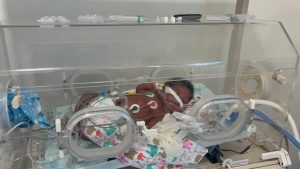
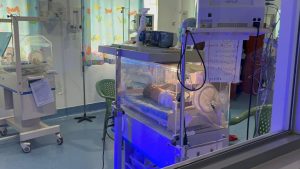
He described equipment needs as equally challenging: “An incubator costs over 80 million shillings,” he said. “And it can only handle one baby at a time.”
Some incubators at the hospital have stalled due to the lack of specialised parts and technicians to repair them. The hospital currently has only one neonatologist—reflecting a nationwide shortage of specialists.
With many premature babies staying for weeks, the financial strain on families is enormous. “As a hospital, we want to provide the best care,” Dr Kibuuka said. “But it becomes financially unsustainable.”
He called for a national health insurance scheme to protect families: “There needs to be insurance support for premature babies and their parents. The burden should not fall solely on the parents or the hospital.”
Uganda Records Over 200,000 Preterm Births Each Year
Paediatrician Dr Nuriat Nambooze underscored the growing challenge. “One in every ten babies worldwide is born preterm,” she said. “In Uganda, we record more than 200,000 premature births annually—about 14% of all births. Premature birth is a leading cause of mortality, especially in developing countries.”
She listed the major causes of prematurity, including preeclampsia, infections such as UTIs and malaria, socioeconomic stress, and medical conditions like gestational diabetes.
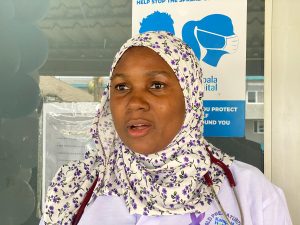
Prevention, she stressed, begins with consistent antenatal care: “Expectant mothers should start antenatal visits early and attend all eight recommended sessions.”
Dr Nambooze advised first-time parents to deliver in hospitals equipped with neonatologists, paediatricians, and advanced neonatal technology.
On post-discharge care, she emphasised hygiene, regulated feeding, temperature monitoring, and the importance of Kangaroo Mother Care: “It improves feeding, weight gain, breathing, and bonding,” she said.
Expensive Intensive Care
Senior Consultant Neurologist Dr Jamiir Mugalu, a guest of honour and long-serving neonatal advocate, said Uganda’s premature birth rate stands at 12%—one of the highest globally.
Caring for preterm babies becomes especially expensive when intensive care is required. “A typical stay of three weeks in intensive care can cost between 10 and 20 million shillings,” he said. “This is why parents must be enrolled in an insurance scheme.”

He emphasised the importance of coordinated maternal and neonatal care, noting that complications like maternal hypertension can severely affect a baby’s survival. “Improving outcomes requires good maternal care, skilled medical support, and financial preparedness,” he said.
Inside the Special Care Unit
Shamillah Nsimenta, in charge of the Special Care Unit, showcased Kampala Hospital’s progress. “Today, our goal is to give support to every baby, especially premature babies, who often face challenges in their early life,” she said.
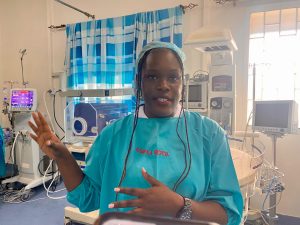
She highlighted the hospital’s advanced equipment, including a 360-degree phototherapy machine used to treat newborn jaundice.
Nsimenta noted that the hospital has cared for 373 premature babies, with a survival rate of about 80%. “With better machines, new technology, and a dedicated team of nurses, we expect this rate to continue improving,” she said.

On the same day, Kampala Hospital celebrated its Neonatal Intensive Care Unit — “NICU graduates”—children who survived intensive care and went on to thrive. “Our tiniest fighters stood tall today,” the hospital shared in a message. “Celebrating every NICU graduate and their incredible journey.”